

H1 GENOMIC INSTABILITY
SECTIONS I-III Overview, Molecular Mechanisms, Age-Related Changes
I. OVERVIEW: DNA DAMAGE AS THE MOST FUNDAMENTAL HALLMARK
The Information Crisis at the Core of Aging

Imagine your body as an extraordinary library containing trillions of books—each cell holding a complete copy of your genetic instruction manual. Every second of every day, these books suffer damage: pages torn by chemical reactions, words smudged by oxidative stress, bindings weakened by environmental insults. Your cells employ an army of molecular librarians working ceaselessly to repair this damage, but their efficiency declines with age. The accumulated errors—the corrupted information—manifest as aging.
This is genomic instability: the progressive accumulation of DNA damage and mutations that undermines every cellular function. Unlike other aging hallmarks that affect specific systems—mitochondria (H7), protein quality control (H4), nutrient sensing (H6)—genomic instability attacks the information system itself. DNA encodes everything: proteins, regulatory RNAs, cellular responses to stress. When the genome is damaged, all downstream processes suffer. Proteins are misfolded. Mitochondria malfunction. Cells become senescent. Stem cells exhaust. The master blueprint from which everything else is built becomes increasingly corrupted with age.
What makes genomic instability unique among the twelve hallmarks is its foundational nature. It's simultaneously a cause and consequence of aging—it drives other hallmarks while being accelerated by them. Mitochondrial dysfunction generates reactive oxygen species that damage DNA (H7→H1). Chronic inflammation produces oxidative stress attacking the genome (H11→H1). Failed autophagy allows damaged mitochondria to persist, continuously generating DNA-damaging ROS (H5→H7→H1). Yet genomic instability also drives these other hallmarks: DNA damage triggers cellular senescence (H1→H8), alters the epigenetic landscape (H1→H3), and activates inflammatory pathways through cytosolic DNA recognition (H1→H11). This bidirectional causality makes genomic instability both a prime target for intervention and a challenge requiring multi-pronged approaches.
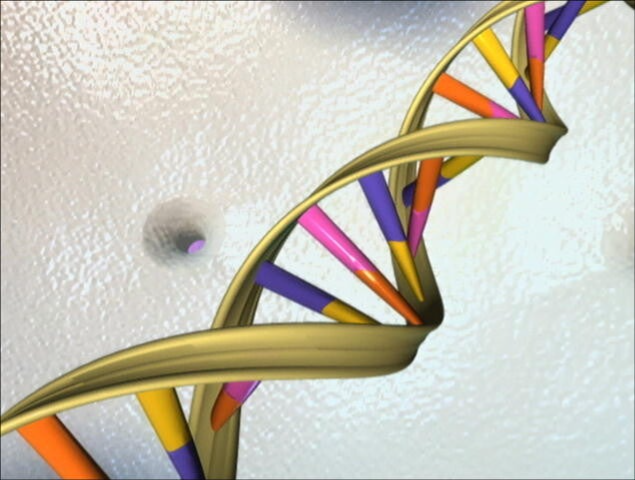
Deoxyribonucleic acid (DNA) is the Hardware which runs the software -The Biophysical and Electrical Cellular Network
1 The Daily Damage Burden: Metabolism as Mutagen
The scale of DNA damage facing each cell is staggering. Through normal metabolism and unavoidable environmental exposure, every human cell experiences approximately:
100,000 oxidative lesions per day—primarily from reactive oxygen species (ROS) generated by mitochondrial respiration, the same process that produces the ATP powering cellular life. The price of energy is oxidative damage.
10,000 depurinations per day—spontaneous loss of purine bases (adenine and guanine) through hydrolysis, creating abasic sites that block DNA replication if unrepaired.
500-1,000 deaminations per day—cytosine spontaneously converts to uracil (which doesn't belong in DNA), creating C→T mutations if not caught and corrected.
Hundreds of single-strand breaks—from oxidative attack on the sugar-phosphate backbone and enzymatic processing of damaged bases.
0-50 double-strand breaks per cell cycle—the most dangerous lesion, where both DNA strands are severed, mostly arising from replication stress when DNA polymerase encounters obstacles.
Consider the arithmetic: A 70-year-old person's cells have experienced roughly 2.5 trillion DNA lesions over a lifetime (100,000 per day × 70 years × 365 days). That cells maintain genomic integrity at all through this relentless assault is testament to the sophistication of DNA repair machinery—an elaborate system of specialized enzymes evolved over billions of years to recognize and correct hundreds of distinct types of damage.
But repair is imperfect. Some lesions escape detection. Some are repaired incorrectly. Some arise faster than they can be fixed. The mathematical inevitability of aging emerges from this damage-repair imbalance: when damage accumulation exceeds repair capacity, mutations accumulate, cellular function deteriorates, and aging ensues.
Types of DNA Damage: The Molecular Insults
Oxidative Damage (Most Common, 70-90% of Endogenous Damage):
Reactive oxygen species—superoxide (O₂⁻), hydrogen peroxide (H₂O₂), and hydroxyl radical (•OH)—constantly attack DNA. The hydroxyl radical is particularly destructive, reacting with DNA at diffusion-limited rates, attacking wherever it forms. The most common oxidative lesion is 8-oxo-7,8-dihydroguanine (8-oxo-dG), created when hydroxyl radical oxidizes guanine. Each cell generates 10,000-50,000 of these lesions daily. If unrepaired, 8-oxo-dG pairs with adenine instead of cytosine during replication, causing G→T transversion mutations.
Other oxidative lesions include thymine glycol (blocks replication), formamidopyrimidines (ring-opened purines), and DNA-protein crosslinks (covalent bonds between oxidized DNA and proteins, particularly difficult to repair). Mitochondrial DNA is especially vulnerable—it lacks protective histones, sits adjacent to the ROS-generating respiratory chain, and has limited repair mechanisms. The mitochondrial DNA mutation rate is 10-20 times higher than nuclear DNA, contributing to age-related mitochondrial dysfunction (H1→H7).
Replication Errors (1-10 Errors Per Cell Division):
DNA polymerase, despite sophisticated proofreading mechanisms, occasionally inserts the wrong nucleotide (approximately 1 error in 10⁷ nucleotides after proofreading). In repetitive sequences (microsatellites), DNA polymerase can slip, causing insertion or deletion mutations. When replication forks encounter obstacles—DNA lesions, unusual secondary structures, tightly bound proteins—they stall. Unresolved stalling leads to fork collapse, creating double-strand breaks requiring complex recombination repair.
Spontaneous Damage (Thousands Per Day from Chemistry):
DNA's chemical bonds are not eternally stable. At body temperature (37°C), spontaneous reactions constantly occur:
Depurination: The N-glycosidic bond connecting purine bases to deoxyribose hydrolyzes, releasing the base and creating an abasic (AP) site. This occurs ~10,000 times per cell per day.
Deamination: Cytosine loses its amino group, converting to uracil (~100-500 events/day). This is particularly problematic when occurring in 5-methylcytosine (common at CpG sites), which deaminates to thymine—a normal DNA base, making the damage harder to detect as a C→T mutation rather than an obvious C→U abnormality.
Environmental Damage:
Beyond endogenous damage from metabolism, environmental factors contribute:
UV radiation: Creates cyclobutane pyrimidine dimers (CPDs) and 6-4 photoproducts, bulky lesions distorting the DNA helix and blocking replication. Cumulative UV exposure drives photoaging and skin cancer.
Ionizing radiation: X-rays and gamma rays cause strand breaks directly (water radiolysis generates hydroxyl radicals causing indirect damage). One chest CT scan delivers radiation equivalent to 1-2 years of background exposure.
Chemical mutagens: Dietary and environmental chemicals damage DNA—alkylating agents from N-nitroso compounds (preserved meats), polycyclic aromatic hydrocarbons from combustion, aflatoxins from moldy foods.
Tobacco smoke: Contains ~60 known carcinogens causing multiple types of DNA damage, generating hundreds of mutations per year in lung cells.
Telomere Dysfunction (Bridging H2 and H1):
Telomeres—the protective caps on chromosome ends—shorten with each cell division (50-200 base pairs lost per division). When telomeres become critically short, they lose their protective shelterin complex and are recognized as double-strand breaks, activating the DNA damage response. Unprotected telomere ends can fuse chromosome-to-chromosome, creating dicentric chromosomes that tear apart during cell division, producing genomic chaos (H2→H1).
Why This Qualifies as a Hallmark of Aging
Manifests During Normal Aging:
Across all examined tissues and species, DNA damage accumulates progressively with age. Mutation frequency in human tissues increases exponentially—by age 70-80, most cells carry hundreds to thousands of accumulated somatic mutations. Nuclear morphology deteriorates: the nuclear envelope loses integrity, chromatin organization becomes disrupted, higher-order structure breaks down. DNA damage markers proliferate: γH2AX foci (marking double-strand breaks) increase dramatically in aged tissues. Micronuclei—small extra-nuclear bodies containing chromosome fragments—appear with increasing frequency, signaling chromosomal instability. Senescent cells accumulate, many triggered by persistent unrepaired DNA damage (H1→H8).
Experimental Aggravation Accelerates Aging:
DNA repair-deficient mice provide perhaps the most compelling evidence that genomic instability drives aging. Mice with mutations in Ercc1 (nucleotide excision repair), Ku80 (double-strand break repair), or BubR1 (mitotic checkpoint) develop accelerated aging phenotypes—premature organ dysfunction, frailty, shortened lifespan. These animals age in fast-forward, recapitulating decades of human aging in months.
Human progeroid syndromes tell the same story. Werner syndrome (WRN helicase defect), Bloom syndrome (BLM helicase defect), Cockayne syndrome (transcription-coupled DNA repair defect)—all result from DNA repair deficiencies and all manifest as premature aging. Individuals develop cataracts, osteoporosis, atherosclerosis, and cancer in their 20s-30s, appearing decades older than chronological age. The message is unmistakable: impaired DNA repair accelerates aging.
External mutagens recapitulate this effect. Radiation exposure (Hiroshima/Nagasaki survivors, Chernobyl, medical radiation) increases incidence of age-related diseases at younger ages. The dose-dependent relationship between radiation and accelerated aging provides additional evidence that accumulated DNA damage drives the aging process.
Experimental Amelioration Retards Aging:
Conversely, interventions that reduce DNA damage or enhance repair slow aging. Caloric restriction—the most robust lifespan-extending intervention known—reduces DNA damage accumulation across species. Antioxidants, though showing mixed results in human trials, reduce oxidative DNA damage in many studies. NAD+ precursors enhance PARP-mediated DNA repair and extend healthspan in animal models. Some studies show that overexpression of DNA repair enzymes extends lifespan in model organisms, though results are context-dependent.
The bidirectionality is critical: enhancing genomic maintenance extends lifespan; while impairing it shortens lifespan. This fulfills the definition of a bona fide aging hallmark.
Cross-Species Conservation:
DNA structure and repair mechanisms are conserved from bacteria to humans, reflecting their ancient evolutionary origins and fundamental importance. All organisms accumulate DNA damage with age. Across species, DNA repair capacity correlates with maximum lifespan—longer-lived species have more robust DNA repair. Humans repair DNA more efficiently than mice; naked mole-rats (living 30+ years) repair more efficiently than mice (living 2-3 years). This comparative biology suggests that enhanced genomic maintenance is one mechanism enabling extended lifespan across evolutionary time.
The Damage-Repair Balance: An Equation Governing Aging
Genomic instability ultimately reflects an imbalance between damage generation and repair capacity:
Net DNA Damage Accumulation = Damage Generation Rate − Repair Capacity
In youth, this equation balances favorably. Damage generation is high (100,000 lesions/cell/day), but repair capacity is higher—multiple redundant repair pathways efficiently detect and correct most lesions before they become fixed mutations.
With age, the equation tips unfavorably from both directions:
Damage generation increases: Mitochondrial dysfunction (H7) produces more ROS, generating more oxidative DNA damage. Chronic inflammation (H11) creates oxidative stress from immune cells. Failed autophagy (H5) allows damaged mitochondria to persist, continuously producing ROS.
Repair capacity declines: DNA repair enzyme expression and activity drop 20-60% in aged tissues. NAD+ levels fall 50% by age 80, impairing PARP-mediated repair. Mitochondrial dysfunction reduces ATP availability for energy-intensive repair processes. The repair machinery itself accumulates oxidative damage, further compromising function.
The result is exponential acceleration of damage accumulation—mutations proliferate, cells become dysfunctional, tissues fail, aging manifests.
Understanding this equation suggests intervention strategies: reduce damage generation (antioxidants, mitochondrial optimization, anti-inflammatory approaches) and/or enhance repair capacity (NAD+ precursors restoring PARP function, interventions upregulating repair genes, clearing damaged mitochondria through enhanced mitophagy). The most effective approaches will address both sides simultaneously.
Why Genomic Instability Matters: Downstream Consequences
DNA damage doesn't remain confined to the genome—it cascades into functional consequences across all cellular systems:
Transcriptional Dysregulation: Damaged DNA impairs accurate transcription. RNA polymerase stalls at lesions. Transcription factors bind aberrantly to damaged DNA. The result: altered gene expression patterns, with some genes overexpressed and others under expressed, creating molecular chaos.
Protein Dysfunction: Mutations accumulate in coding sequences, producing altered proteins. Some are innocuous. Some are loss-of-function, impairing cellular activities. Some are gain-of-function, creating toxic effects. The cumulative burden of mutated proteins contributes to proteostatic collapse (H1→H4).
Cellular Senescence: Persistent unrepaired DNA damage—especially double-strand breaks—triggers permanent cell cycle arrest (senescence) as a tumor-suppressive mechanism. While preventing cancer in individual cells, accumulated senescent cells drive tissue dysfunction through their senescence-associated secretory phenotype (SASP), contributing to inflammaging (H1→H8→H11).
Stem Cell Exhaustion: Hematopoietic stem cells accumulate mutations over decades, sometimes acquiring driver mutations (DNMT3A, TET2, ASXL1) that provide proliferative advantage, leading to clonal hematopoiesis. These expanded clones produce dysfunctional blood cells, increase cardiovascular disease risk, and contribute to blood cancer development (H1→H9).
Cancer: Most fundamentally, accumulated mutations can activate oncogenes or inactivate tumor suppressors, initiating cancer. While this book focuses on aging rather than disease per se, cancer is intimately linked to aging—incidence increases exponentially with age, largely reflecting accumulated genomic instability. Cancer represents the dark side of longevity: live long enough, and random mutations eventually hit critical genes.
Epigenetic Disruption: DNA damage activates PARP, which consumes NAD+. NAD+ depletion impairs sirtuins (NAD+-dependent deacetylases), altering histone modifications and heterochromatin maintenance (H1→H3). The epigenetic landscape drifts from youthful patterns, contributing to age-related transcriptional changes.
The amplification through these pathways explains why genomic instability, though starting with molecular-scale damage invisible to the naked eye, ultimately manifests as age-related functional decline—reduced strength, impaired cognition, increased disease susceptibility, decreased resilience.
The Chapter Roadmap: From Damage to Intervention
This chapter explores genomic instability comprehensively.
- We'll examine the molecular mechanisms of DNA repair (Section II)—the sophisticated enzymatic machinery that defends genome integrity.
- We'll document age-related decline (Section III)—how repair capacity deteriorates while damage generation accelerates.
- We'll explore cross-hallmark interactions (Section VI)—the bidirectional connections linking genomic instability to every other aging mechanism.
- We'll integrate with the triad framework (Section IV)—understanding DNA damage at the inflammation-oxidation-infection nexus.
- We'll examine biophysical foundations (Section V)—the quantum mechanical and electromagnetic aspects of DNA damage and repair.
- We'll address assessment challenges (Section VII)—how to measure genomic instability clinically.
- We'll survey research frontiers (Section VIII)—emerging interventions from gene therapy to targeted repair enhancement. And critically,
- We'll provide actionable pillar interventions (Section IX)—evidence-based protocols to reduce DNA damage and enhance repair capacity, implementable today.
The goal is empowerment through understanding. Genomic instability may be inevitable, but it is substantially modifiable. The difference between rapid genomic deterioration and maintained genomic integrity over decades can determine healthspan and lifespan. Let's understand how.
- MOLECULAR MECHANISMS: THE CELLULAR DEFENSE AGAINST GENOMIC CHAOS
The Repair Arsenal: Specialized Systems for Different Damage
Cells have evolved a sophisticated array of DNA repair pathways, each specialized for particular types of damage. This makes biological sense: different lesions require different repair strategies. A single oxidized base needs simple base excision repair. A bulky chemical adduct requires nucleotide excision repair removing 25-30 nucleotides. A double-strand break requires complex end-joining or recombination using homologous template. The diversity of damage necessitates diversity of repair.
What follows is a journey through this molecular machinery—the enzymes, the pathways, the coordination—that stands between your genome and chaos.
Base Excision Repair: Fixing Oxidative Damage One Base at a Time
Base excision repair (BER) handles the most common form of DNA damage: small base modifications, primarily from oxidative stress. Given that oxidative lesions occur 10,000-100,000 times per cell per day, BER is the workhorse of DNA repair, continuously operating throughout the genome.
The Short-Patch BER Pathway (Repairing Single Nucleotides):
Step 1—Recognition and Excision: DNA glycosylases patrol the genome, recognizing specific damaged bases through altered base-pairing geometry or chemical structure. Each glycosylase has specificity:
OGG1 (8-oxoguanine DNA glycosylase): Recognizes and removes 8-oxo-dG, the most abundant oxidative lesion
NEIL1, NEIL2, NEIL3: Remove oxidized pyrimidines and ring-opened purines
UNG (uracil DNA glycosylase): Removes uracil arising from cytosine deamination
MBD4: Removes thymine from G:T mismatches (from 5-methylcytosine deamination)
When a glycosylase finds its target, it cleaves the N-glycosidic bond connecting the damaged base to deoxyribose, flipping the base out of the DNA helix and into the enzyme's active site. The damaged base is released, leaving an abasic (apurinic/apyrimidinic or AP) site—a sugar with no base attached.
Step 2—AP Site Processing: AP endonuclease 1 (APE1) recognizes the AP site and cleaves the DNA backbone immediately 5' to the abasic sugar. This creates a single-strand break with a 3'-hydroxyl group (ready for DNA synthesis) and a 5'-deoxyribose phosphate (dRP) group (blocking ligation).
Step 3—Gap Filling and dRP Removal: DNA polymerase β plays dual roles. Its polymerase activity adds the correct nucleotide (using the opposite strand as template). Its lyase activity removes the 5'-dRP group, preparing the DNA for ligation.
Step 4—Ligation: DNA ligase III, working with the scaffolding protein XRCC1, seals the final nick, restoring DNA integrity.
This entire process—recognition, excision, processing, gap-filling, ligation—occurs remarkably quickly, typically within minutes. XRCC1 acts as a critical coordinator, recruiting and stabilizing the repair factors at damaged sites.
Long-Patch BER (When the Damage Is More Complex):
When the 5'-dRP group is itself oxidized or otherwise modified, DNA polymerase β's lyase cannot remove it. In these cases (~20% of BER), cells employ long-patch BER, which replaces 2-13 nucleotides instead of just one.
DNA polymerases δ or ε (with the PCNA sliding clamp) synthesize a longer replacement patch, displacing the downstream DNA as a "flap." Flap endonuclease 1 (FEN1) cuts off this displaced flap. DNA ligase I seals the final nick. Long-patch BER is slower than short-patch but handles oxidative damage too complex for the simpler pathway.
Age-Related BER Decline:
BER efficiency declines substantially with age across multiple tissues:
OGG1 activity drops 30-50% in aged brain, liver, and kidney
APE1 activity declines ~20-40%
DNA polymerase β expression and activity decline; the enzyme itself accumulates oxidative damage, creating a vicious cycle
XRCC1, the scaffolding protein coordinating BER, shows reduced expression
The consequence: 8-oxo-dG lesions accumulate 2-4 fold in aged tissues despite continued generation. Unrepaired oxidative damage contributes to age-related mitochondrial dysfunction (mtDNA damage), neurodegeneration (oxidative damage in post-mitotic neurons accumulates across decades), and cancer (oxidative lesions cause mutations).
Nucleotide Excision Repair: Removing Bulky Lesions
While BER handles small base modifications, nucleotide excision repair (NER) tackles bulky, helix-distorting lesions: UV-induced pyrimidine dimers, chemical adducts from environmental mutagens, and DNA interstrand crosslinks. These lesions dramatically distort DNA structure, blocking replication and transcription if unrepaired.
NER operates through two sub-pathways: global genome NER (GG-NER) scanning the entire genome, and transcription-coupled NER (TC-NER) prioritizing actively transcribed genes.
Global Genome NER:
Step 1—Damage Recognition: The XPC-RAD23B-CETN2 complex acts as the genome's surveillance system, continuously scanning for helix distortions. XPC doesn't recognize specific chemical structures but rather senses abnormal DNA geometry. For UV damage specifically, the DDB1-DDB2 (XPE) complex aids recognition, binding pyrimidine dimers and recruiting XPC.
Step 2—Verification: Once XPC binds, it recruits the TFIIH complex—a massive ten-subunit assembly containing two helicases (XPB and XPD) that unwind DNA around the lesion, verifying that damage exists and determining its extent. This verification step prevents unnecessary excision of undamaged DNA.
Step 3—Dual Incision: Two endonucleases make incisions bracketing the lesion. XPG cuts 3' to the damage (22-30 nucleotides away). XPF-ERCC1 cuts 5' to the damage (approximately 5 nucleotides away). The result: a 25-30 nucleotide oligomer containing the lesion is released, leaving a gap.
Step 4—Gap-Filling Synthesis: DNA polymerases δ or ε, along with PCNA and RFC (replication factor C), synthesize replacement DNA using the undamaged complementary strand as template.
Step 5—Ligation: DNA ligase I seals the nick, completing repair.
Transcription-Coupled NER:
When RNA polymerase II encounters DNA damage while transcribing a gene, it stalls. This stalling triggers a specialized repair response prioritizing transcribed genes (biologically sensible—these are genes the cell is actively using).
The stalled polymerase recruits CSB (Cockayne syndrome B protein), which in turn recruits CSA and subsequently the TFIIH complex. From there, TC-NER proceeds similarly to GG-NER (verification, dual incision, synthesis, ligation). The key difference: TC-NER is recruited to damage by stalled transcription rather than by genome-wide surveillance.
This prioritization means actively transcribed genes are repaired faster than inactive genes. In aged cells, where NER capacity is limited, this ensures that at least the most critical genes (those being actively expressed) receive preferential repair attention.
Age-Related NER Decline:
NER capacity deteriorates substantially with age:
XPC and XPG expression decline 20-40% in aged tissues
ERCC1-XPF expression and activity decline 40-60%—particularly concerning as ERCC1 deficiency in mice produces severe progeria
The overall result: UV-induced pyrimidine dimers persist longer in aged skin, contributing to photoaging (wrinkles, age spots, precancerous lesions)
The clinical manifestation is clear. Compare sun-exposed skin (face, hands) to sun-protected skin (buttocks, inner arms) in elderly individuals—the dramatic difference reflects accumulated UV damage outpacing declining NER capacity over decades.
Clinical Significance of NER Defects:
Human syndromes resulting from NER defects illustrate this pathway's importance:
Xeroderma pigmentosum (XP): Mutations in XP genes (XPA-XPG) cause extreme sun sensitivity and 1,000-fold increased skin cancer risk. Many XP patients also develop neurodegeneration, suggesting neurons require NER despite no UV exposure (possibly for repair of oxidative or other lesions that also distort helix).
Cockayne syndrome: Defects in CSA or CSB (TC-NER) cause progeria—accelerated aging with growth failure, neurological deterioration, and sun sensitivity but oddly, not dramatically increased cancer. This suggests TC-NER particularly protects against aging phenotypes while GG-NER protects against cancer (cancer arising from mutations in any cells; aging from dysfunction in metabolically active cells requiring high transcription).
Mismatch Repair: Catching Replication Errors
While BER and NER handle damage from external and internal sources, mismatch repair (MMR) corrects errors made by DNA polymerase during replication. Despite proofreading, DNA polymerase occasionally inserts the wrong base (~1 error in 10⁷ nucleotides after proofreading) or slips in repetitive sequences, creating insertion/deletion loops.
The MMR Process:
Step 1—Mismatch Recognition: Two dimeric complexes scan newly replicated DNA:
MutSα (MSH2-MSH6): Recognizes base-base mismatches
MutSβ (MSH2-MSH3): Recognizes insertion/deletion loops (particularly in microsatellites—short repetitive sequences)
When MutSα or MutSβ encounters a mismatch, it undergoes ATP-dependent conformational change, forming a sliding clamp that can move along DNA.
Step 2—Recruitment and Strand Discrimination: MutSα/β recruits MutLα (MLH1-PMS2), which has latent endonuclease activity. The critical challenge: Which strand contains the error—the newly synthesized strand or the template strand? Repairing the wrong strand would convert a correct base into an error.
In bacteria, the template strand is methylated (hemimethylation marks parent strand), providing clear discrimination. In eukaryotes, the mechanism is less certain but may involve recognizing nicks at Okazaki fragment junctions on the lagging strand, or strand-specific proteins marking the newly synthesized strand.
Step 3—Excision: Once strand discrimination occurs, MutLα activates exonuclease 1 (EXO1), which degrades the newly synthesized strand from a nearby nick past the mismatch, removing the error along with surrounding nucleotides.
Step 4—Resynthesis: DNA polymerase δ fills the gap using the template strand (which contains the correct sequence).
Step 5—Ligation: DNA ligase I seals the final nick.
Age-Related MMR Decline:
MMR protein expression (MSH2, MSH6, MLH1, PMS2) declines 20-40% in aged tissues. Additionally, post-translational modifications—oxidation, acetylation—impair MMR protein function. The consequence: microsatellite instability increases with age (unrepaired slippage errors in repetitive sequences accumulate).
Clinical Significance of MMR Defects:
Lynch syndrome (hereditary nonpolyposis colorectal cancer): Germline mutations in MMR genes (MLH1, MSH2, MSH6, PMS2) cause ~70% lifetime risk of colorectal cancer, along with increased risks for endometrial, ovarian, and other cancers. The mechanism: without functional MMR, replication errors accumulate, eventually hitting tumor suppressor genes or oncogenes.
Sporadic cancers: Many cancers show acquired MMR deficiency, often through MLH1 promoter hypermethylation. These MMR-deficient cancers exhibit high mutation rates (hypermutator phenotype) and microsatellite instability.
The age-related decline in MMR contributes to increasing cancer risk with age, as replication errors accumulate in long-lived stem cells over decades.
Double-Strand Break Repair: The Most Dangerous Lesion
Double-strand breaks (DSBs)—where both DNA strands are severed—represent the most dangerous form of DNA damage. A single unrepaired DSB can cause cell death (loss of genetic information) or chromosomal rearrangements (cancer-causing translocations). Cells have evolved two major pathways for DSB repair, each with distinct mechanisms, accuracy, and temporal/spatial regulation.
Non-Homologous End Joining (NHEJ): Fast but Error-Prone:
NHEJ operates throughout the cell cycle, providing rapid repair of DSBs. The speed is critical—unrepaired breaks can lead to chromosomal catastrophe within hours.
Step 1—Recognition: Within seconds of a DSB forming, the Ku70-Ku80 heterodimer binds the broken DNA ends. Ku forms a ring-like structure that slides onto the DNA, protecting the ends from degradation and recruiting downstream factors.
Step 2—Synapsis and Processing: DNA-PKcs (DNA-dependent protein kinase catalytic subunit) is recruited by Ku, forming the DNA-PK holoenzyme. Two DNA-PK complexes (one at each broken end) bring the ends together (synapsis). The Artemis nuclease (activated by DNA-PKcs phosphorylation) and other nucleases/polymerases process the DNA ends, which are often not compatible for direct ligation (damaged, chemically modified, or have non-complementary overhangs).
Step 3—Ligation: The XRCC4-DNA ligase IV complex, stabilized by XLF, ligates the processed ends.
NHEJ is remarkably fast (occurring within minutes to hours) but often deletes nucleotides during end processing—thus it's mutagenic. The cell accepts this trade-off: better to lose a few nucleotides and maintain chromosomal integrity than to leave breaks unrepaired, risking chromosomal rearrangements or cell death.
For heterochromatin and non-coding DNA, NHEJ's imperfect repair is acceptable. For coding sequences, particularly in genes critical for survival, NHEJ-induced deletions can be problematic. This is where the second pathway becomes critical.
Homologous Recombination (HR): Slow but Accurate:
HR uses the sister chromatid as a template, achieving nearly error-free repair. However, HR only operates in S and G2 phases (after DNA replication when a sister chromatid is available) and is considerably slower than NHEJ.
Step 1—End Resection: The MRN complex (MRE11-RAD50-NBS1) along with CtIP nuclease processes the 5' strand, creating long 3' single-stranded overhangs (hundreds to thousands of nucleotides). This resection is the committed step distinguishing HR from NHEJ.
Step 2—Strand Invasion: RAD51 (assisted by BRCA2, which loads RAD51 onto DNA) coats the 3' overhang, forming a nucleoprotein filament. This filament searches for homologous sequence (the sister chromatid) and invades the homologous DNA duplex, forming a displacement loop (D-loop).
Step 3—DNA Synthesis: DNA polymerase extends the invading 3' end using the sister chromatid as template, copying the information across the break.
Step 4—Resolution: Multiple mechanisms can resolve the recombination intermediate. Synthesis-dependent strand annealing involves the newly synthesized strand dissociating from the D-loop and annealing to the other broken end. Alternatively, the second broken end can be captured, forming a double Holliday junction which is resolved by specialized resolvases (GEN1, SLX1-SLX4-MUS81-EME1).
HR's accuracy comes at the cost of speed (hours rather than minutes) and cell cycle restriction (only S/G2). The cell chooses repair pathway based on context:
Cell cycle phase: NHEJ throughout; HR only S/G2
Chromatin state: Heterochromatin favors NHEJ; euchromatin (active genes) favors HR
Break structure: Clean breaks favor NHEJ; complex breaks with extensive end processing require HR
The choice is actively regulated by proteins like 53BP1 (promotes NHEJ by protecting ends from resection) and BRCA1 (promotes HR by facilitating resection). The balance shifts with age and context.
Age-Related DSB Repair Decline:
Both NHEJ and HR decline substantially with age:
NHEJ: Ku70/Ku80 levels decline 20-40% in aged tissues. DNA-PKcs activity decreases, and the enzyme accumulates oxidative damage impairing function. Result: slower NHEJ, more persistent DSBs.
HR: RAD51 expression declines 30-50%. BRCA1/BRCA2 expression decreases. Result: impaired HR capacity, particularly problematic during cell division.
Overall: Unrepaired DSBs accumulate in aged tissues. γH2AX foci (marking DSBs) increase dramatically. Chromosomal instability rises: translocations, deletions, aneuploidy all increase frequency.
The consequences are severe. Persistent DSBs trigger cellular senescence (H1→H8)—many senescent cells in aged tissues arose from unrepaired DNA damage. In proliferating cells, impaired DSB repair increases cancer risk as chromosomal rearrangements can activate oncogenes or inactivate tumor suppressors.
Clinical Significance of DSB Repair Defects:
BRCA1/BRCA2 mutations: Germline mutations cause hereditary breast and ovarian cancer syndrome. Without functional HR, cells attempt to repair DSBs using error-prone NHEJ, accumulating mutations that eventually cause cancer. BRCA-deficient tumors are exquisitely sensitive to PARP inhibitors (synthetic lethality—blocking both HR and PARP-mediated repair of SSBs is lethal to cancer cells).
ATM mutations: Ataxia-telangiectasia results from defective ATM kinase (master coordinator of DNA damage response). Patients develop immunodeficiency, cancer predisposition, neurodegeneration, and extreme radiation sensitivity. This illustrates how compromised DSB signaling, even when repair enzymes are intact, causes pathology.
Supporting Repair Mechanisms: The Specialists
Poly(ADP-ribose) Polymerase (PARP): The NAD+-Consuming Coordinator:
PARP1 and PARP2 play critical roles in base excision repair and double-strand break repair. When these enzymes detect DNA breaks, they bind the damaged sites and catalyze a remarkable reaction: using NAD+ as substrate, they synthesize long chains of ADP-ribose (poly(ADP-ribose), or PAR) attached to themselves and other proteins at the break site.
These PAR chains serve as recruitment signals—dozens of repair proteins recognize and bind PAR, congregating at damage sites. For BER, PARP recruits XRCC1 and the repair enzymes. For DSB repair, PARP recruits numerous factors coordinating repair pathway choice. PARP activity is essential: PARP inhibitors (used as cancer therapeutics) severely impair DNA repair, which is why they're selectively toxic to BRCA-deficient cancer cells.
The critical vulnerability: PARP consumes NAD+. Each PARP activation hydrolyzes many NAD+ molecules to build PAR chains. Under normal circumstances, NAD+ is replenished through biosynthesis and salvage pathways. But with extensive DNA damage—or in aged cells where NAD+ levels have declined 50% from reduced biosynthesis and increased consumption by CD38—PARP activity becomes NAD+-limited. Insufficient PARP activity means slower DNA repair, allowing damage to accumulate.
This creates a direct mechanistic link from metabolic dysfunction (H6) to genomic instability (H1): NAD+ depletion impairs PARP-mediated DNA repair. Conversely, restoring NAD+ through precursor supplementation (NMN, NR) enhances DNA repair capacity—a testable, actionable intervention.
Direct Reversal: Elegant but Rare:
Some DNA lesions can be directly reversed by single enzymes, without excision and resynthesis. MGMT (O⁶-methylguanine-DNA methyltransferase) removes methyl groups from O⁶-methylguanine, an alkylation product that causes mutations if unrepaired. The enzyme transfers the methyl group to a cysteine residue in its own active site, repairing the DNA but simultaneously inactivating itself—a suicide enzyme. Each MGMT molecule fixes exactly one lesion, then is degraded.
Despite this limitation, direct reversal is highly efficient where applicable. The speed is unmatched—no excision, no synthesis, no ligation. Just recognition and reversal.
Photolyases, present in many organisms but lost in placental mammals, directly reverse UV-induced pyrimidine dimers using light energy. These enzymes were lost during mammalian evolution, possibly because mammals evolved nocturnality (less UV exposure) or because the NER system provided sufficient backup.
III. AGE-RELATED CHANGES: WHEN DAMAGE EXCEEDS REPAIR CAPACITY
The Accumulation Equation Shifts
Return to the fundamental equation:
Net DNA Damage Accumulation = Damage Generation Rate − Repair Capacity
In youth, this balances favorably. A 25-year-old generates 100,000 DNA lesions per cell per day, but robust repair systems clear >99.99% before they become fixed mutations. Net accumulation is slow—a few mutations per cell per year.
By age 70, the equation has shifted disastrously from both directions. Damage generation has increased 20-50% (mitochondrial dysfunction produces more ROS, chronic inflammation creates oxidative stress, failed autophagy allows damaged mitochondria to persist). Simultaneously, repair capacity has declined 20-60% across pathways. The result: net accumulation accelerates exponentially.
Whole-genome sequencing of aged tissues reveals this mathematical reality. Blood cells from 70-year-olds carry 1,000-10,000 somatic mutations—10-100 times more than young adults. Each tissue becomes a mosaic of genetically distinct cell lineages; all descended from common ancestors but diverged through accumulated mutations. We are, at a cellular level, genomically heterogeneous by old age.
Quantifying the Damage: Numbers Tell the Story
Oxidative DNA Damage:
Urinary excretion of 8-oxo-dG—a biomarker of oxidative DNA damage being repaired and excreted—increases progressively with age. Young adults excrete ~15-20 nmol/day. Elderly individuals (70-80) excrete 30-40 nmol/day, reflecting doubled oxidative damage burden.
Tissue measurements confirm: 8-oxo-dG levels in brain, liver, and kidney increase 2-4-fold from age 20 to age 80. The brain shows highest levels—high oxygen consumption, post-mitotic neurons accumulating damage across decades, limited capacity to dilute damage through division.
Mutation Accumulation:
Modern sequencing technology allows precise quantification of somatic mutations. Studies examining thousands of individuals reveal:
Mutation rate: Approximately 1-2 mutations per cell per year in many tissues
Total burden: By age 70-80, most cells carry hundreds to thousands of mutations
Tissue specificity: Sun-exposed skin shows highest mutation rates (UV damage), followed by liver (xenobiotic metabolism), blood (continuous division), and intestines (high turnover)
Clonal hematopoiesis illustrates mutation accumulation's functional consequences. Blood stem cells acquire driver mutations—particularly in DNMT3A (DNA methyltransferase), TET2 (epigenetic regulator), and ASXL1 (chromatin modifier)—that provide proliferative advantage. These mutated clones expand, eventually comprising 1-20% of blood cells. By age 70, approximately 10% of individuals have detectable clonal hematopoiesis. These expanded clones produce dysfunctional blood cells, increase cardiovascular disease risk ~40%, and predispose to blood cancers.
DNA Damage Markers Proliferate:
Direct visualization of DNA damage in tissues tells a stark story:
γH2AX immunostaining (marking DSBs): Young tissues show rare γH2AX+ cells (<1%). Aged tissues show 5-15% cells with persistent γH2AX foci, indicating unrepaired breaks.
Micronuclei frequency: In blood lymphocytes, young adults show ~5-10 micronuclei per 1,000 binucleate cells. Elderly individuals show 20-40 per 1,000—a 3-4-fold increase indicating chromosomal instability.
Nuclear Architecture Deteriorates:
Beyond point mutations, the nuclear organization itself degrades with age:
Nuclear envelope: Lamin A/C proteins forming the nuclear scaffold accumulate damage and misfolding. The nuclear envelope develops "blebs" and irregularities. Nuclear pore complexes (NPCs) decline in number and function, impairing nuclear-cytoplasmic transport. This impedes DNA repair—repair proteins have difficulty accessing the nucleus, and damaged materials aren't efficiently exported.
Chromatin organization: Higher-order chromatin structure becomes disrupted. Heterochromatin (tightly packed, transcriptionally silent) loosens, allowing aberrant transcription of normally silenced repetitive elements. Lamina-associated domains (LADs)—regions of chromatin tethered to the nuclear envelope—become disorganized. Topologically associating domains (TADs)—3D chromatin structures bringing distant regulatory elements together—partially dissolve.
These architectural changes impair DNA repair efficiency. Repair enzymes must navigate through chromatin to reach damage sites. Disorganized chromatin makes this navigation more difficult. Additionally, architectural disruption alters gene expression patterns, sometimes downregulating DNA repair genes themselves—a vicious cycle.
Why Repair Declines: Multiple Convergent Failures
Age-related decline in DNA repair reflects failures at multiple levels, creating redundancy of dysfunction.
Transcriptional Decline:
Many DNA repair genes show reduced expression with age. Promoter analysis reveals several mechanisms:
Epigenetic silencing: Promoters accumulate repressive histone marks (H3K27me3, H3K9me3) or DNA methylation (H3→H1 connection)
Transcription factor decline: Some transcription factors regulating repair genes (p53, E2F family members, Nrf2) decline with age or become less active
Energy depletion: Transcription is ATP-intensive; mitochondrial dysfunction reduces transcription globally (H7→H1)
The extent varies by gene and tissue, but typical declines are 20-40% for major repair genes (OGG1, XPC, ERCC1, MSH2, RAD51) between young and old tissues.
Post-Translational Damage to Repair Enzymes:
DNA repair enzymes themselves are proteins vulnerable to the same oxidative stress damaging DNA. This creates a destructive feedback loop:
Oxidative damage to OGG1: Cysteine residues in the active site are oxidized, reducing activity 30-50%
Oxidative damage to APE1: Similar mechanism, similar magnitude of impairment
Carbonylation of repair proteins: Advanced oxidation creates protein carbonyl groups, impairing function and targeting proteins for degradation
The mathematical consequence is exponential rather than linear decline. Each increment of reduced repair capacity allows more oxidative damage, which further damages repair enzymes, which further reduces repair capacity.
NAD+ Depletion: The H6→H1 Connection:
This mechanism is direct, measurable, and actionable. NAD+ levels decline approximately 50% between ages 20 and 80 in human tissues due to:
CD38 upregulation: This NAD+ glycohydrolase enzyme increases expression with age, consuming NAD+ at accelerating rates
NAMPT decline: Nicotinamide phosphoribosyltransferase, the rate-limiting enzyme in NAD+ biosynthesis, declines 30-40%
Chronic PARP activation: Persistent DNA damage in aged tissues causes chronic PARP activation, depleting NAD+
Since PARP requires NAD+ to function, this depletion directly impairs BER and DSB repair. The effect is substantial—studies show that restoring NAD+ in aged animals (through NMN or NR supplementation) enhances DNA repair capacity by 30-50%, demonstrating causality.
Mitochondrial Dysfunction: The H7→H1 Connection:
DNA repair is energy-intensive. Unwinding DNA requires ATP (helicases are ATP-dependent). Chromatin remodeling requires ATP (remodeling complexes hydrolyze ATP). DNA synthesis requires energy (nucleoside triphosphates). The entire repair process demands abundant ATP.
Age-related mitochondrial dysfunction (Complex I/III/IV activity declining 20-40%, ATP synthesis reduced proportionally) creates an energy crisis affecting DNA repair. When cellular ATP drops, repair slows. The cell must prioritize ATP usage—immediate survival needs trump long-term genomic maintenance.
Bidirectionally, mitochondrial dysfunction increases ROS production, generating more oxidative DNA damage. The combination—more damage generation plus less repair capacity due to ATP limitation—is devastating.
Chronic Inflammation: The H11→H1 Connection:
Chronic low-grade inflammation characterizing aging (inflammaging) damages DNA through multiple mechanisms:
Inflammatory cells (neutrophils, macrophages) generate ROS and reactive nitrogen species (peroxynitrite) as weapons against pathogens. In chronic inflammation, these species continuously damage surrounding tissue DNA.
Inflammatory cytokines (TNF-α, IL-6, IL-1β) may suppress DNA repair gene expression through NF-κB signaling—some evidence suggests prolonged NF-κB activation downregulates certain repair genes, though mechanisms remain incompletely understood.
Inflammation diverts cellular resources. The inflammatory response is metabolically expensive—cytokine production, immune cell recruitment, tissue remodeling. This resource diversion may come at the expense of DNA repair, particularly when ATP and NAD+ are limiting.
Autophagy Failure: The H5→H1 Connection:
While less direct than H6→H1 or H7→H1, autophagy failure contributes to genomic instability through several pathways:
Failed mitophagy allows damaged mitochondria to persist, continuously generating ROS that damages nuclear DNA (H5→H7→H1, an indirect path).
Autophagy provides nucleotides for DNA repair through degradation of damaged organelles and proteins. During fasting or stress, autophagy-derived nucleotides support repair. Impaired autophagy limits this nucleotide supply, slowing repair when external nutrients are scarce.
Failed aggrephagy allows protein aggregates to accumulate, which can sequester DNA repair factors, reducing their availability for actual repair (H5→H4→H1).
Tissue-Specific Damage Patterns
DNA damage accumulation varies dramatically across tissues, reflecting differences in metabolic rate, proliferation, environmental exposure, and repair capacity.
Brain: The Highest Oxidative Burden:
Neurons are particularly vulnerable. They're post-mitotic (don't divide after development), so damage accumulates across the entire lifespan—70-80 years of continuous oxidative stress. They have extraordinarily high metabolic rates (the brain consumes 20% of body oxygen despite being 2% of body weight), generating proportionate ROS. They have limited regenerative capacity—damaged neurons cannot be replaced by division.
Measurements confirm: 8-oxo-dG levels in aged human brain are 5-10-fold higher than young brains. γH2AX foci appear in 10-20% of neurons in aged brains versus <2% in young brains. Regional specificity matters: the substantia nigra (affected in Parkinson's) and hippocampus (affected in Alzheimer's) show particularly high damage, possibly explaining selective vulnerability.
Neuronal DNA damage does not cause cancer (neurons do not divide), but it impairs function—transcriptional dysregulation, impaired synaptic plasticity, eventually cell death. The cumulative burden likely contributes to age-related cognitive decline even absent overt neurodegenerative disease.
Liver: High Metabolism, Moderate Damage:
Hepatocytes face substantial metabolic stress—continuous xenobiotic metabolism generates ROS, particularly through cytochrome P450 enzymes. However, hepatocytes retain division capacity (slow turnover, ~1-year doubling time), allowing some dilution of damage through division.
DNA repair capacity in liver is relatively robust, with high BER and NER activity. The net result: oxidative DNA damage accumulates but more slowly than brain. Hepatocytes show ~2-3 fold increase in 8-oxo-dG from young to old, intermediate between brain (5-10 fold) and blood cells (1.5-2 fold).
Functional consequences: accumulated mutations contribute to liver dysfunction, and clonal expansion of mutated hepatocytes may predispose to hepatocellular carcinoma in very elderly.
Blood: Clonal Hematopoiesis:
Hematopoietic stem cells (HSCs) continuously divide throughout life, maintaining blood cell production. This continuous division subjects HSCs to replication stress and replication errors. Additionally, HSCs reside in bone marrow niches often hypoxic and metabolically stressed.
The result: HSCs accumulate mutations at approximately 1-2 per year. Most are neutral passengers. But occasionally, a driver mutation occurs in DNMT3A, TET2, or ASXL1—genes regulating epigenetics and chromatin. These mutations provide slight proliferative advantage. The mutated HSC gradually outcompetes neighbors, eventually producing a substantial clone.
By age 70, approximately 10% of individuals have clonal hematopoiesis of indeterminate potential (CHIP). These clones associate with 40% increased cardiovascular disease risk (mechanisms unclear, possibly inflammatory dysfunction of clone-derived macrophages) and increased risk of blood cancers (though absolute risk remains low).
Skin: UV-Induced Damage:
Sun-exposed skin accumulates dramatic mutation burdens from UV radiation. Whole-genome sequencing of aged sun-exposed skin reveals 2,000-10,000 mutations per cell in epidermis—far higher than internal tissues. The mutations show UV signatures: C→T transitions at dipyrimidine sequences.
Compare sun-protected skin (buttocks, inner arms): 200-500 mutations per cell—still substantial, but 5-20 fold less than sun-exposed areas. This natural experiment proves environmental mutagens dramatically accelerate genomic instability beyond endogenous metabolism.
The functional consequence: photoaging (wrinkles, age spots, loss of elasticity from accumulated damage to dermal fibroblasts and collagen) and skin cancer (basal cell carcinoma, squamous cell carcinoma, melanoma—all driven by accumulated UV-induced mutations).
Muscle: Post-Mitotic Vulnerability:
Skeletal muscle myocytes (muscle fibers) are post-mitotic. Like neurons, damage accumulates across decades without dilution through division. Muscle has high metabolic activity during exercise, generating oxidative stress.
Particularly vulnerable: mitochondrial DNA in muscle. Muscle cells are packed with mitochondria (providing ATP for contraction). Mitochondrial DNA mutation frequency in aged muscle is 5-10 fold higher than young muscle. These mutations accumulate in a mosaic pattern—individual muscle fibers accumulate different mutations, creating patchwork of mtDNA genotypes.
Functional consequence: mitochondrial dysfunction from accumulated mtDNA mutations contributes to sarcopenia (age-related muscle loss) and reduced exercise capacity. "Ragged red fibers" visible on muscle biopsy in very elderly reflect extreme mitochondrial DNA damage and dysfunction.
The Vicious Cycles: Amplification Through Feedback Loops
Age-related genomic instability doesn't progress linearly—it accelerates exponentially through positive feedback loops:
Cycle 1—Oxidative Damage to Repair Enzymes:
Oxidative stress damages DNA
Oxidative stress also damages DNA repair enzymes (oxidizing active site cysteines)
Damaged repair enzymes work slower
DNA damage accumulates faster
More unrepaired damage creates more oxidative stress (damaged mitochondria generate more ROS)
Cycle accelerates
Cycle 2—NAD+ Depletion:
DNA damage activates PARP
PARP consumes NAD+
NAD+ depletion impairs PARP function
DNA repair slows
More damage accumulates
More PARP activation
Faster NAD+ depletion
Cycle accelerates
Cycle 3—Mitochondrial-Nuclear Damage Loop:
Nuclear DNA damage impairs transcription of mitochondrial genes
Mitochondrial dysfunction increases
ore ROS generation
More nuclear DNA damage
Cycle accelerates (H1↔H7 bidirectional)
Cycle 4—Inflammation-Damage Loop:
DNA damage activates cGAS-STING (cytosolic DNA)
Inflammatory cytokine production increases
Inflammatory ROS damages more DNA
More cGAS-STING activation
Cycle accelerates (H1↔H11 bidirectional)
These amplifying cycles explain why genomic instability shows exponential rather than linear age-related acceleration. Breaking even one cycle (e.g., restoring NAD+ to break Cycle 2) can disproportionately slow overall damage accumulation by interrupting amplification.
Consequences: From Molecular Damage to Functional Decline
Accumulated DNA damage doesn't remain an abstract molecular problem—it cascades into functional consequences:
Transcriptional Dysregulation: Damage in promoters and enhancers alters gene expression. Some genes become overexpressed, others under expressed. The transcriptional landscape shifts from youthful patterns, contributing to cellular dysfunction.
Protein Dysfunction: Mutations in coding sequences produce altered proteins. Most are functionally neutral or only slightly impaired. Some are complete loss-of-function, creating haploinsufficiency. Rare gain-of-function mutations cause toxicity.
Cellular Senescence: Persistent unrepaired DSBs activate the DNA damage response (ATM/ATR kinases → p53 → p21 → cell cycle arrest). If damage remains unrepaired, temporary arrest becomes permanent senescence. These senescent cells secrete inflammatory cytokines (SASP), driving systemic inflammation (H1→H8→H11).
Stem Cell Exhaustion: Hematopoietic stem cells accumulate mutations, leading to clonal hematopoiesis and dysfunctional blood cell production. Other stem cell populations similarly affected, though less studied (H1→H9).
Cancer: The ultimate consequence of genomic instability. Accumulated mutations eventually hit critical genes—oncogenes activated, tumor suppressors inactivated. Cancer incidence increases exponentially with age, largely reflecting accumulated genomic instability providing the raw material for malignant transformation.
The path from invisible molecular damage to visible functional decline spans decades but is inexorable absent intervention.
H1 GENOMIC INSTABILITY - SECTIONS IV-VI
- TRIAD INTEGRATION: GENOMIC INSTABILITY AT THE INFLAMMATION-OXIDATION-INFECTION NEXUS
H1 × T-OX: Oxidation as the Primary Driver of DNA Damage
If one mechanism dominates the genomic instability story, it's oxidation. Approximately 70-90% of endogenous DNA damage is oxidative in origin—a staggering proportion that makes reactive oxygen species the single greatest threat to genome integrity.
The Oxidative Assault: Quantifying the Damage:
Every cell generates 10,000-100,000 oxidative DNA lesions daily, primarily from mitochondrial respiration. As electrons flow through the electron transport chain (Complexes I-IV), approximately 0.1-2% leak prematurely, reacting with oxygen to form superoxide (O₂⁻). While this percentage seems small, the sheer number of electrons transferred per second creates a continuous superoxide flux.
Superoxide dismutase 2 (SOD2) in mitochondria converts superoxide to hydrogen peroxide (H₂O₂), which diffuses readily across membranes. In the presence of ferrous iron (Fe²⁺) or cuprous copper (Cu⁺), hydrogen peroxide undergoes the Fenton reaction, generating hydroxyl radical (•OH)—the most reactive ROS species, attacking DNA at diffusion-limited rates wherever it forms.
The result: 8-oxo-7,8-dihydroguanine (8-oxo-dG)—the signature oxidative lesion. Each cell generates 10,000-50,000 of these daily. When DNA polymerase encounters unrepaired 8-oxo-dG during replication, it frequently inserts adenine opposite (instead of the correct cytosine), creating G→T transversion mutations.
The Bidirectional H1↔T-OX Amplification Loop:
Oxidation damages DNA, but DNA damage also amplifies oxidation—creating a self-reinforcing cycle:
Forward (T-OX → H1): ROS directly damages DNA through multiple mechanisms:
Hydroxyl radical abstracts hydrogen from deoxyribose, creating strand breaks
Oxidizes guanine to 8-oxo-dG (10,000-50,000/day)
Creates thymine glycol (blocks replication)
Generates DNA-protein crosslinks (particularly difficult to repair)
Forms clustered lesions (multiple damages in close proximity, overwhelming repair)
Reverse (H1 → T-OX): DNA damage impairs cellular antioxidant defenses:
Mutations in nuclear-encoded SOD2, catalase, glutathione peroxidase genes reduce expression
Damage to transcription factor binding sites (Nrf2 response elements) impairs antioxidant gene induction
Mitochondrial DNA damage (H1→H7) causes respiratory chain dysfunction, increasing electron leak and superoxide generation—the primary ROS source
Quantifying the Loop:
Animal studies reveal the amplification dynamics:
20% reduction in mitochondrial DNA repair (through genetic manipulation) increases mitochondrial ROS production 30%
This 30% ROS increase causes additional nuclear DNA damage (15% increase in 8-oxo-dG)
Additional nuclear DNA damage further impairs mitochondrial gene transcription (nuclear genes encode ~1,200 mitochondrial proteins)
Mitochondrial dysfunction worsens (additional 15% ROS increase)
Cycle continues with each iteration amplifying damage
By 3-4 cycles, cells approach bioenergetic catastrophe—ATP production crashes, oxidative damage overwhelms repair, cellular senescence or death ensues.
Age-Related Amplification:
This loop accelerates with age:
Baseline ROS generation increases: Mitochondrial Complex I/III develop more electron leak (30-50% increase by age 80)
Antioxidant defenses decline: SOD, catalase, glutathione peroxidase activity drops 20-40%
DNA repair of oxidative damage declines: OGG1 activity falls 30-50%
Result: 8-oxo-dG levels increase 2-4 fold in aged tissues despite continued (actually increased) generation rates
The exponential nature creates a tipping point. Young cells maintain homeostasis: high ROS generation but higher antioxidant/repair capacity. Aged cells cross threshold: ROS overwhelms defenses, damage accumulates exponentially, cellular dysfunction accelerates.
Interventions Breaking the H1↔T-OX Loop:
Multiple intervention points exist:
Reduce ROS Generation:
Mitochondrial optimization: NAD+ precursors improve respiratory chain efficiency, reducing electron leak
Time-restricted eating: Reduces metabolic rate during fasting periods, lowering ROS production
Exercise: Paradoxically increases acute ROS but upregulates antioxidant defenses 30-50%, reducing baseline ROS long-term
Enhance Antioxidant Defenses:
Nrf2 activators (sulforaphane): Induce endogenous antioxidant gene expression
Mitochondrial-targeted antioxidants (MitoQ, SS-31): Concentrate in mitochondria 100-1000×, scavenging ROS at source
Dietary polyphenols: EGCG (green tea), resveratrol (red wine), quercetin—multiple antioxidant mechanisms
Enhance DNA Repair of Oxidative Damage:
NAD+ precursors: Restore PARP activity, enhancing base excision repair of 8-oxo-dG
Autophagy enhancement: Mitophagy clears damaged mitochondria, reducing ROS source (H5→H7→H1 intervention)
The most effective approach combines multiple intervention points—simultaneously reducing generation, enhancing defenses, and improving repair. Single interventions provide modest benefits (10-30% damage reduction); combined approaches achieve 40-70% reduction by breaking the amplification cycle at multiple points.
H1 × T-INF: The Bidirectional Dance Between DNA Damage and Inflammation
DNA damage and inflammation engage in a complex bidirectional relationship—each triggering and amplifying the other, creating one of aging's most destructive feedback loops.
DNA Damage Triggers Inflammation: The cGAS-STING Pathway:
One of the most important discoveries in recent aging biology is that cytosolic DNA—DNA fragments in the cytoplasm rather than safely sequestered in the nucleus—activates powerful inflammatory pathways.
The Mechanism:
Cyclic GMP-AMP synthase (cGAS) continuously surveys the cytoplasm. In healthy young cells, cytoplasm should be DNA-free (nuclear DNA stays in nucleus, mitochondrial DNA stays in mitochondria). But with age, this compartmentalization breaks down:
Nuclear envelope deteriorates (lamin A/C damage, nuclear pore complex dysfunction)
DNA fragments leak from damaged nuclei into cytoplasm
Micronuclei form (from chromosomal instability during mitosis) and rupture, releasing DNA
Mitochondrial outer membrane permeabilization releases mtDNA into cytoplasm
When cGAS encounters cytosolic DNA, it undergoes conformational activation, synthesizing cyclic GMP-AMP (cGAMP)—a second messenger. cGAMP binds and activates STING (stimulator of interferon genes) on the endoplasmic reticulum. Activated STING triggers two transcription factors:
IRF3: Induces type I interferons (IFN-α, IFN-β)
NF-κB: Induces inflammatory cytokines (IL-6, TNF-α, IL-1β)
The result: Chronic activation of innate immunity—essentially, cells mistaking their own damaged DNA for pathogen invasion, mounting inflammatory response against themselves.
Quantifying the Effect:
Studies blocking cGAS-STING in aged mice reveal:
Inflammatory cytokines (IL-6, TNF-α) reduced 40-60%
Senescent cell accumulation slowed 30-50%
Multiple age-related pathologies ameliorated
This demonstrates that DNA damage → cytosolic DNA → cGAS-STING → inflammation represents a major pathway driving inflammaging.
The Senescence Connection (H1→H8→H11):
Persistent unrepaired DNA damage triggers cellular senescence. Senescent cells secrete the senescence-associated secretory phenotype (SASP)—a cocktail of inflammatory cytokines, chemokines, and matrix metalloproteinases. Major SASP components include:
IL-6, IL-8, IL-1β (inflammatory cytokines)
MCP-1, RANTES (chemokines recruiting immune cells)
MMPs (matrix metalloproteinases degrading extracellular matrix)
Senescent cells accumulate with age (1-2% of cells at age 30, 10-15% at age 80 in some tissues). Though a minority, their potent SASP drives systemic inflammation. The path: DNA damage (H1) → senescence (H8) → SASP-mediated inflammation (H11).
Inflammation Damages DNA: The Reverse Path:
Inflammatory cells fighting infection or clearing damaged tissue generate massive oxidative bursts—deliberately producing ROS and reactive nitrogen species (RNS) as antimicrobial weapons. In acute inflammation (fighting infection, healing wound), this is appropriate and time-limited. In chronic inflammation, it's continuous collateral damage.
Mechanisms:
Neutrophils and macrophages activated by inflammatory signals produce:
Superoxide (O₂⁻): Via NADPH oxidase, generating up to 10⁹ molecules/second during respiratory burst
Nitric oxide (NO): Via inducible nitric oxide synthase (iNOS)
Peroxynitrite (ONOO⁻): Formed from superoxide + nitric oxide reaction, highly reactive
These species damage DNA in surrounding tissues:
Oxidative lesions (8-oxo-dG, strand breaks)
Nitrosative lesions (8-nitroguanine, deamination)
DNA-protein crosslinks
Quantification:
Individuals with chronic inflammatory conditions show elevated DNA damage markers:
CRP >5 mg/L (chronic inflammation) associates with 30-50% higher urinary 8-oxo-dG excretion
Inflammatory bowel disease patients show 2-3× higher colon epithelial DNA damage than controls
Chronic periodontitis associates with increased blood lymphocyte DNA damage
The Amplifying Loop:
The bidirectional nature creates acceleration:
DNA damage → cytosolic DNA → cGAS-STING activation → inflammatory cytokines
Inflammatory cytokines → recruit neutrophils/macrophages → oxidative/nitrosative stress
Oxidative/nitrosative stress → more DNA damage
More DNA damage → more cytosolic DNA leakage (worsening nuclear envelope integrity)
More cGAS-STING activation
Cycle accelerates
Additionally, inflammatory cytokines may suppress DNA repair gene expression (mechanisms incompletely understood, possibly through prolonged NF-κB activation), further impairing damage clearance.
Breaking the H1↔T-INF Loop:
Preventing DNA Damage (preventing upstream inflammation):
NAD+ restoration: Enhanced PARP activity repairs damage before it triggers inflammation
Mitochondrial optimization: Reduces ROS → less nuclear DNA damage → less cytosolic DNA leakage
Senolytics: Clear senescent cells before their SASP drives systemic inflammation
Anti-Inflammatory Interventions (preventing downstream DNA damage):
Omega-3 fatty acids: Reduce inflammatory cytokine production 20-40%
Mediterranean diet: Anti-inflammatory pattern (PREDIMED trial showed reduced inflammatory markers)
Regular exercise: Anti-inflammatory despite acute ROS generation
Adequate sleep: Sleep deprivation increases inflammation; 7-8 hours reduces
Dual-Action Interventions:
Time-restricted eating: Reduces both DNA damage (lower oxidative stress) and inflammation (reduced inflammatory markers)
NAD+ precursors: Enhance DNA repair (reducing upstream inflammation trigger) and may have direct anti-inflammatory effects through sirtuin activation
H1 × T-INC: Infection, Genomic Instability, and the Microbial Threat
While less quantitatively dominant than oxidation and inflammation, infectious agents directly and indirectly contribute to genomic instability through multiple pathways.
Viral Integration: Permanent Genomic Alteration:
Some viruses integrate their genetic material into the host genome, creating insertional mutagenesis:
Retroviruses: HIV integrates into host DNA as part of its lifecycle. Integration is semi-random—favoring transcriptionally active regions but potentially disrupting genes. Each integration event creates permanent genomic alteration. While antiretroviral therapy suppresses HIV replication, integrated proviral DNA remains for life.
Endogenous Retroviruses (ERVs): Approximately 8% of the human genome consists of ancient retroviral sequences—remnants of infections that occurred millions of years ago in germline cells, becoming fixed in the population. Most are now inactive (accumulated mutations rendered them non-functional), but some retain transcriptional activity. With age, epigenetic repression of ERVs weakens (H3→H1 connection), allowing aberrant expression contributing to inflammation and genomic instability.
DNA Viruses: Some integrate occasionally. Human papillomavirus (HPV) normally exists episomally, but integration events (disrupting E2 gene) lead to uncontrolled E6/E7 expression, driving cervical carcinogenesis. Epstein-Barr virus (EBV) occasionally integrates, though primarily episomal.
Viral Hijacking of DNA Repair:
Many viruses manipulate host DNA repair to facilitate their own replication:
Inhibiting Repair: Herpes simplex virus 1 (HSV-1) inhibits certain DNA repair pathways (preventing host from repairing viral DNA integrated into genome, but also increasing host genomic instability as collateral damage).
Repurposing Repair Enzymes: Some viruses recruit host DNA repair factors for viral genome replication and recombination. This diverts repair capacity from host genome maintenance.
The result: Chronic or recurrent viral infections accelerate genomic instability in infected tissues.
Bacterial Toxins and Chronic Infections:
Colibactin: Certain E. coli strains (particularly phylogenetic group B2) produce colibactin, a genotoxin causing DNA double-strand breaks. These strains colonize the gut in some individuals, creating chronic exposure to DNA-damaging bacterial products. Epidemiological evidence links colibactin-producing E. coli to colorectal cancer risk.
Helicobacter pylori: Chronic gastric infection causes persistent inflammation (T-INF pathway) but H. pylori also produces factors directly damaging DNA in gastric epithelium. The combination—direct damage plus inflammation—dramatically increases gastric cancer risk.
Immune Response-Mediated DNA Damage:
The immune system fighting infections generates collateral genomic damage:
Respiratory Burst: Neutrophils and macrophages phagocytosing bacteria produce massive ROS quantities (superoxide, hydrogen peroxide, hypochlorous acid). Intended for microbial killing, these also damage host DNA in surrounding tissue. Acute infection—acceptable collateral damage during successful pathogen clearance. Chronic infection—continuous DNA damage accumulation.
Reactive Nitrogen Species: During infection, inducible nitric oxide synthase (iNOS) produces high NO levels. NO combines with superoxide forming peroxynitrite (ONOO⁻), causing DNA strand breaks and base modifications.
AID and APOBEC Enzymes: Antiviral Defense Creating Genomic Risk:
Activation-Induced Deaminase (AID): B cells use AID to create antibody diversity through somatic hypermutation and class switch recombination—intentional, controlled DNA damage. Normally highly regulated, but with age or chronic antigen stimulation, AID can aberrantly target non-immunoglobulin genes, causing mutations.
APOBEC3 Family: These enzymes provide antiviral defense by mutating viral DNA/RNA (particularly retroviruses). APOBEC3G mutates HIV genomes during reverse transcription. However, APOBEC enzymes occasionally damage host DNA. Some cancers show "APOBEC signature" mutations—C→T transitions at particular sequence contexts, suggesting aberrant APOBEC activity contributed to oncogenesis.
Age-Related Connections:
Immunosenescence → Chronic Infections → DNA Damage: Declining immune function allows persistent infections (CMV, EBV reactivation; bacterial infections harder to clear). Chronic infections maintain inflammatory state and continuous immune-mediated DNA damage.
Failed Xenophagy → Intracellular Bacterial Persistence: Autophagy (specifically xenophagy—selective autophagy of intracellular bacteria) clears intracellular pathogens. Age-related autophagy decline (H5) impairs bacterial clearance, allowing persistence and chronic damage.
ERV Reactivation: Epigenetic derepression with age (heterochromatin loss, H3) allows transcription of normally silenced endogenous retroviruses. ERV RNA can activate innate immunity (mimicking viral infection), contributing to inflammation and possibly genomic instability.
Quantifying the Impact:
While H1×T-INC is less quantitatively dominant than H1×T-OX, specific contexts show substantial effects:
Chronic hepatitis B/C: 100-fold increased hepatocellular carcinoma risk (viral integration plus chronic inflammation)
HPV: Virtually required for cervical cancer (viral integration disrupting tumor suppressors)
- pylori: 3-6 fold increased gastric cancer risk (direct damage plus inflammation)
CMV seropositivity: Associates with accelerated Immunosenescence and possibly increased overall genomic instability burden
Interventions:
Infection Prevention/Treatment:
Vaccinations: HPV vaccine dramatically reduces cervical cancer risk; hepatitis B vaccine reduces liver cancer
Early treatment: Treating H. pylori, antiviral therapy for hepatitis C—eliminate source of chronic damage
Hygiene and infection control: Reducing exposure to pathogens reduces cumulative DNA damage burden
Enhancing Immune Clearance:
Autophagy enhancement (H5): Improved xenophagy accelerates intracellular pathogen clearance
Immunosenescence interventions: Supporting T cell function, stem cell health (H9)—improves infection clearance, reduces chronic infection burden
Targeted Approaches:
Some research exploring ERV suppression (if aberrant ERV expression proves causally important)
APOBEC inhibition being studied (controversial—might impair antiviral defense)
- BIOPHYSICAL FOUNDATIONS: THE PHYSICS OF DNA DAMAGE AND REPAIR
Quantum Mechanisms in DNA Damage and Repair [B-QM]
DNA damage and repair, while typically described through classical biochemistry, involve quantum mechanical processes at the most fundamental level.
Electron Transfer and Oxidative Damage [T3]:
When hydroxyl radical (•OH) attacks DNA, the initial event is electron abstraction—a quantum mechanical process. The hydroxyl radical's unpaired electron is highly reactive, abstracting an electron from DNA bases (particularly guanine, with lowest ionization potential among bases).
This electron transfer occurs through quantum tunneling over distances of several angstroms. The rate depends on:
Distance between donor and acceptor (exponential decay)
Energy barrier height
Reorganization energy of surrounding environment
After initial oxidation, the electron "hole" (positive charge) can migrate through DNA π-stacking before becoming trapped, determining which base ultimately bears oxidative damage. This hole migration occurs through quantum coherent electron transfer between stacked bases.
Photolyase Enzymes [T3] (Lost in Placental Mammals):
Photolyases directly reverse UV-induced cyclobutane pyrimidine dimers using light energy—a photochemical process involving quantum mechanics. The enzyme contains flavin adenine dinucleotide (FAD) cofactor. Upon blue light absorption:
FAD* (excited state) transfers electron to pyrimidine dimer
Dimer radical anion splits the cyclobutane ring (reversed damage)
Electron returns to FAD
This elegant quantum photochemistry—using light energy to directly reverse chemical damage—represents evolution's solution that placental mammals lost, relying instead on NER's slower excision repair.
Quantum Effects in Repair Enzymes [T3]:
Some propose quantum tunneling contributes to DNA repair enzyme catalysis. DNA glycosylases (BER) must recognize damaged bases among vast excess of normal bases. Some theoretical models suggest quantum tunneling of protons or electrons aids in distinguishing normal from damaged bases through differential tunneling rates, though experimental verification remains challenging.
The practical relevance of quantum effects in DNA repair remains debated. They certainly occur at the fundamental level (all chemistry is quantum mechanical), but whether quantum mechanics provides useful insights beyond classical kinetics for understanding aging-related DNA repair decline is uncertain.
Electromagnetic Effects on DNA and Repair [B-EM]
Cellular Electric Fields [T2-T3]:
Cells maintain electric fields across membranes (~70 mV plasma membrane potential) and within organelles (mitochondrial membrane potential ~140-180 mV). These fields potentially influence DNA structure and repair:
DNA Charge Distribution: DNA backbone is highly negatively charged (phosphate groups). Electric fields can influence DNA compaction, bending, and protein-DNA interactions. Changes in cellular electric fields (from mitochondrial dysfunction, membrane depolarization) might alter chromatin structure, potentially affecting DNA repair enzyme access to damage.
Field Effects on Repair Proteins: Some DNA repair proteins have charged domains. Cellular electric fields might influence their recruitment kinetics to damage sites, though effects are likely small compared to biochemical gradients (concentration, post-translational modifications).
Electromagnetic Radiation Exposure [T1-T2]:
Ionizing Radiation (X-rays, Gamma Rays): Direct DNA damage mechanism—photons directly ionize DNA or generate hydroxyl radicals through water radiolysis. Well-established, dose-dependent relationship between exposure and DNA damage/cancer risk. Age-related concern: Cumulative medical imaging exposure (CT scans, fluoroscopy) contributes to lifetime DNA damage burden. One abdominal CT scan ≈ 1-2 years background radiation exposure.
UV Radiation: Creates pyrimidine dimers and 6-4 photoproducts. Sun exposure is quantitatively the largest environmental mutagen for skin, causing 2,000-10,000 mutations per cell in chronically sun-exposed skin versus 200-500 in sun-protected areas.
Non-Ionizing Radiation (RF, Microwave): Controversial. Most studies find no DNA-damaging effects at environmental exposure levels. Some studies report oxidative stress at very high exposures (heating effects). Current consensus: Typical environmental exposures (cell phones, WiFi) don't meaningfully contribute to genomic instability compared to endogenous oxidative metabolism.
Structural Water and DNA Stability [B-SW]
The DNA Hydration Shell [T2]:
DNA exists in aqueous environment surrounded by structured water layers (hydration shell). This isn't bulk water—water molecules are ordered by DNA's charged backbone and polar groups, exhibiting different properties than bulk water.
Hydration and DNA Structure: B-form DNA (normal physiological form) requires adequate hydration. Dehydration causes transition to A-form (shorter, wider) or other conformations. DNA flexibility, base-pairing stability, and protein-DNA recognition all depend on proper hydration.
Water-Mediated Base Pairing [T3]: Water molecules sometimes participate in hydrogen bonding networks connecting bases, particularly for non-Watson-Crick pairs or damaged bases. Some DNA glycosylases (BER) recognize damaged bases partly through altered hydration patterns—damaged bases create different water structure than normal bases.
Age-Related Changes: Whether cellular water structure changes with age (some hypotheses suggest altered cellular water properties contribute to aging) remains speculative. If true, altered DNA hydration might affect stability and repair enzyme function, though evidence is limited.
Dehydration Effects: Chronic dehydration (rare in humans with normal kidney function and water access) could theoretically affect DNA structure and stability, but practical relevance to aging is minimal in adequately hydrated individuals.
Mechanical Forces and Nuclear Architecture [B-PZ]
Nuclear Mechanics and DNA Damage [T2]:
The nucleus is not a static bag of chromosomes—it experiences mechanical forces from:
Cytoskeletal tension transmitted through LINC complexes (Linker of Nucleoskeleton and Cytoskeleton)
Cell migration and deformation
Tissue-level mechanical stress
Mechanical Stress Can Cause DNA Damage: Excessive nuclear deformation can cause:
Chromatin stretching and breaks
Nuclear envelope rupture (creating cytosolic DNA → cGAS-STING activation, H1→T-INF)
Altered chromatin organization affecting repair
Studies show that:
Migrating cells (squeezing through tight spaces) accumulate DNA damage at high rates
Mechanically stiff substrates increase cellular tension, which can increase DNA damage in some contexts
Nuclear envelope rupture is more common in laminopathy cells (defective lamin A/C) and aged cells (lamin accumulated damage)
Age-Related Mechanical Vulnerability:
Lamin A/C accumulates oxidative damage and mutations with age
Nuclear envelope becomes more fragile
More susceptible to rupture under mechanical stress
Results in increased cytosolic DNA leakage → inflammation (H1→T-INF mechanical pathway)
Interventions: No direct interventions targeting nuclear mechanics currently available. Indirectly, avoiding excessive mechanical trauma and maintaining healthy tissue mechanics (through exercise, avoiding chronic tissue damage) may minimize mechanical DNA damage.
Chromatin Compaction and Repair Access [T1-T2]
Heterochromatin vs. Euchromatin:
DNA is not uniformly accessible. Heterochromatin (tightly packed, transcriptionally silent) is physically harder for repair enzymes to access than euchromatin (loosely packed, transcriptionally active).
Repair Efficiency Depends on Chromatin State:
Transcribed genes (euchromatin): Rapid repair through TC-NER
Silent heterochromatin: Slower repair, relies on GG-NER
Facultative heterochromatin: Intermediate
Age-Related Changes:
Heterochromatin loss with age (H3 connection): Chromatin becomes generally more open
Paradoxically, some regions become more compact (heterochromatin redistribution rather than uniform change)
Overall effect on repair: Complex and region-dependent
Chromatin Remodeling for Repair:
DNA repair requires chromatin remodeling—making damage accessible:
Damage recognition often through distorted DNA geometry
Chromatin remodeling complexes (SWI/SNF family, INO80) recruited
Nucleosomes repositioned or evicted using ATP
Repair proceeds
Chromatin restored after repair
This ATP-dependent remodeling means DNA repair efficiency depends on cellular energy status (H7→H1 connection through ATP availability).
- CROSS-HALLMARK INTERACTIONS: GENOMIC INSTABILITY IN THE NETWORK
H7→H1: Mitochondrial ROS Damages Nuclear DNA (Very Strong, T1)
This represents one of the strongest and best-quantified cross-hallmark interactions.
Mechanism:
Mitochondria generate approximately 90% of cellular ROS. During oxidative phosphorylation, electrons flow through respiratory Complexes I-IV. Approximately 0.1-2% of electrons leak prematurely, directly reducing oxygen to superoxide (O₂⁻) before reaching Complex IV.
SOD2 converts superoxide to hydrogen peroxide (H₂O₂), which diffuses readily across mitochondrial membranes into cytoplasm and nucleus. In the presence of Fe²⁺ (Fenton reaction), hydrogen peroxide generates hydroxyl radical (•OH)—the most reactive ROS, attacking DNA wherever it forms.
Quantification:
Studies manipulating mitochondrial function demonstrate causality:
Genetic impairment of Complex I increases nuclear 8-oxo-dG levels 2-4 fold
Mitochondrial-targeted antioxidants (MitoQ, SS-31) reduce nuclear DNA damage 40-60% in aged animals
Aged tissues with highest mitochondrial dysfunction (brain, heart) show highest nuclear DNA damage
Bidirectional Amplification (H1↔H7):
Nuclear DNA encodes ~1,200 mitochondrial proteins (only 13 proteins encoded by mitochondrial DNA). When nuclear genes for respiratory chain components accumulate mutations:
Mitochondrial function declines further
ROS production increases
More nuclear DNA damage
Vicious cycle accelerates
This bidirectional loop creates exponential damage accumulation. Breaking it requires addressing both sides: Reducing mitochondrial ROS (through metabolic optimization) AND enhancing nuclear DNA repair (through NAD+ restoration, antioxidants).
Clinical Relevance:
This interaction explains why mitochondrial dysfunction associates with accelerated aging across tissues. The primary mechanism isn't just energy depletion—it's continuous oxidative assault on nuclear genome, accelerating mutation accumulation and cellular senescence.
H6→H1: NAD+ Depletion Impairs DNA Repair (Very Strong, T1)
This connection is direct, measurable, and actionable—one of the most clinically relevant cross-hallmark interactions.
Mechanism:
PARP1 and PARP2 require NAD+ as substrate to synthesize poly(ADP-ribose) chains at DNA breaks. NAD+ levels decline approximately 50% between ages 20 and 80 due to:
CD38 upregulation (consumes NAD+)
NAMPT decline (reduced NAD+ biosynthesis)
Chronic PARP activation (damaged DNA depletes NAD+)
Insufficient NAD+ impairs PARP activity, slowing base excision repair and double-strand break repair.
Quantification:
Animal studies demonstrate:
NAD+ depletion (40-50%) reduces DNA repair capacity proportionally (30-50% slower repair)
NAD+ restoration (NMN or NR supplementation) in aged mice enhances DNA repair 30-50%
Urinary 8-oxo-dG excretion decreases 20-40% with NAD+ restoration
Some studies show lifespan extension (though strain-dependent)
Human Evidence [T2]:
Small human trials with NMN/NR show:
NAD+ levels increase 30-50%
Some biomarkers improve (though DNA repair capacity not yet directly measured in most studies)
Generally well-tolerated
Larger trials ongoing to establish clinical efficacy.
Intervention:
This represents the most direct aging intervention targeting genomic instability:
Protocol: NMN 500 mg or NR 500-1000 mg daily, morning on empty stomach
Synergistic: Combine with CD38 inhibitors (apigenin 50 mg, luteolin 100 mg) to reduce NAD+ consumption
Cost: ~$40-60/month for full stack
Evidence: T1-T2 (strong animal evidence, emerging human data)
H5→H1: Autophagy Supports DNA Repair (Moderate, T2)
This connection is less direct than H6→H1 or H7→H1 but still significant.
Mechanisms:
Nucleotide Recycling: Autophagy degrades damaged organelles and proteins, releasing amino acids, nucleotides, and other building blocks. During DNA repair, substantial nucleotide incorporation occurs (gap-filling synthesis). Autophagy-derived nucleotides support repair, particularly during fasting or stress when external nutrients are limited.
ROS Reduction via Mitophagy: This is the primary H5→H1 pathway. Mitophagy (selective autophagy of mitochondria) clears damaged mitochondria that generate excessive ROS. By reducing the ROS source, mitophagy indirectly reduces nuclear DNA oxidative damage (H5→H7→T-OX→H1).
Quantification:
Autophagy-deficient cells show 30-50% higher DNA damage markers
Mitophagy enhancement (urolithin A, exercise, TRE) associates with 20-30% reduced nuclear DNA damage
The effect is primarily through mitochondrial quality control rather than direct DNA repair enhancement
Intervention Implications:
Autophagy-enhancing interventions (spermidine, TRE, exercise, NAD+) provide DNA protection partly through this pathway. The benefit is indirect but meaningful—optimizing mitophagy reduces one major DNA damage source.
H1→H8: Unrepaired DNA Damage Triggers Senescence (Very Strong, T1)
This is one of the best-established causal relationships in aging biology.
Mechanism:
Persistent unrepaired DNA damage—especially double-strand breaks—activates the DNA damage response:
Detection: ATM and ATR kinases detect DSBs (ATM) or stalled replication forks (ATR)
Signal Transduction: ATM/ATR phosphorylate hundreds of substrates, including p53
Cell Cycle Arrest: Phosphorylated p53 is stabilized, activating p21 (CDK inhibitor) → cell cycle arrest
Senescence Decision: If damage persists (unrepaired or irreparable), temporary arrest becomes permanent senescence
Additionally, persistent DSBs activate p38 MAPK pathway independently, also triggering senescence.
Evidence:
Senescent cells in vivo frequently show persistent γH2AX foci (DSB markers)
Experimentally inducing DSBs (radiation, chemotherapy) causes senescence
Telomere dysfunction (critically short telomeres recognized as DSBs) causes senescence (H2→H1→H8)
DNA repair-deficient cells senesce prematurely
Quantification:
In aged human tissues:
5-15% cells are senescent (tissue-dependent)
Most show DNA damage markers (γH2AX, 53BP1 foci)
Suggests DNA damage is the primary senescence trigger in vivo
Clinical Implications:
Two intervention approaches:
Prevent senescence: Reduce DNA damage accumulation (preventing H1→H8 transition)
NAD+ restoration enhances repair, preventing senescence-triggering persistent breaks
Antioxidants reduce damage generation
Time-restricted eating reduces metabolic stress
Clear senescent cells: Senolytics remove existing senescent cells (dasatinib + quercetin, fisetin)
Addresses H8 directly
Complementary to H1 interventions
Optimal strategy combines prevention (reducing DNA damage) and clearance (removing accumulated senescent cells).
H1→H3: DNA Damage Alters Epigenetic Landscape (Moderate, T2)
DNA damage influences epigenetic modifications through multiple pathways.
PARP Depleting NAD+ Impairs Sirtuins:
When PARP responds to DNA damage, it consumes NAD+. NAD+ depletion impairs sirtuins (SIRT1, SIRT6, SIRT7)—NAD+-dependent deacetylases maintaining chromatin structure.
Result:
Histone hyperacetylation (loss of deacetylation)
Heterochromatin loosening
Altered gene expression patterns
Chronic DNA damage → chronic PARP activation → chronic NAD+ depletion → persistent sirtuin impairment → epigenetic drift (H1→H3).
Repair-Induced Chromatin Changes:
DNA repair requires chromatin remodeling (making damage accessible). Sometimes chromatin isn't fully restored post-repair, leaving "epigenetic scars"—altered histone modifications or DNA methylation patterns persisting after repair completes.
DDR Signaling Affects Epigenetic Enzymes:
ATM/ATR (activated by DNA damage) phosphorylate various chromatin modifiers, altering their activity. Chronic DDR activation shifts epigenetic enzyme activity patterns, contributing to age-related epigenetic changes.
Evidence Strength:
The H1→H3 connection is established but quantitatively less dominant than other pathways. Epigenetic aging reflects multiple causes (DNA damage is one contributor among several).
Intervention Implications:
Reducing DNA damage (NAD+, antioxidants) should slow epigenetic clock acceleration. Some evidence supports this:
NAD+ restoration may slow epigenetic aging (small human studies show trends toward biological age reduction via Horvath clock)
Interventions reducing DNA damage correlate with slower epigenetic aging
H11→H1: Inflammation Increases DNA Damage (Moderate to Strong, T1-T2)
Covered extensively in Section IV (Triad Integration), summarized here for network completeness.
Mechanisms:
Inflammatory cells generate ROS/RNS damaging surrounding tissue DNA
Chronic inflammation maintains persistent oxidative stress
Inflammatory cytokines may suppress DNA repair gene expression
Quantification:
CRP >5 mg/L associates with 30-50% higher urinary 8-oxo-dG
Anti-inflammatory interventions reduce DNA damage markers 20-40%
Intervention:
Omega-3 fatty acids (anti-inflammatory)
Mediterranean diet (PREDIMED showed reduced inflammation)
Exercise (paradoxically anti-inflammatory despite acute oxidative stress)
Senolytics (clear SASP-secreting senescent cells)
Network Centrality: H1's Position
H1 is Influenced By:
H7 (mitochondrial ROS) — Very Strong
H6 (NAD+ for repair) — Very Strong
H11 (inflammatory damage) — Strong
H5 (autophagy supporting repair) — Moderate
Multiple environmental factors (UV, smoking, radiation, chemicals) — Strong
H1 Influences:
H8 (senescence) — Very Strong
H3 (epigenetic drift) — Moderate
H11 (inflammation via cGAS-STING) — Strong
H9 (stem cell mutations) — Strong
Cancer (though not hallmark per se) — Very Strong
Network Analysis:
H1 occupies a foundational position—influenced by multiple upstream hallmarks and influencing multiple downstream hallmarks. This foundational nature reflects DNA's role as the information system: When the blueprint is corrupted, everything built from that blueprint suffers.
The strong inputs (H7, H6, H11) suggest multi-target interventions addressing these upstream hallmarks simultaneously provide maximal genomic protection. The strong outputs (H8, H9, cancer risk) suggest that genomic instability prevention has cascading benefits across aging biology.
H1 GENOMIC INSTABILITY - SECTIONS VII-IX
Assessment & Biomarkers, Research Frontiers, Pillar Interventions
VII. ASSESSMENT AND BIOMARKERS: MEASURING THE INVISIBLE DAMAGE
The Challenge of Quantifying Genomic Instability
DNA damage occurs at the molecular level—invisible to the naked eye, unfelt by the individual experiencing it. You cannot perceive the 100,000 oxidative lesions accumulating in your cells today. You cannot sense the double-strand breaks or the slowly accumulating mutations. Yet this invisible molecular damage determines functional outcomes decades later—cognitive decline, cancer risk, accelerated aging.
The assessment challenge: How do we measure genomic instability in living humans without invasive biopsies? How do we track interventions' effectiveness? What biomarkers predict future outcomes rather than simply documenting past damage?
Currently available assessments range from gold-standard research techniques (requiring tissue biopsies, expensive equipment, specialized expertise) to emerging accessible biomarkers (blood tests, urine tests) to future technologies under development. Let's examine each level.
Direct DNA Damage Markers: The Gold Standards
γH2AX Foci: Visualizing Double-Strand Breaks:
When double-strand breaks occur, histone H2AX (a variant histone near break sites) is phosphorylated at serine 139 within minutes, creating γH2AX. This phosphorylation recruits DNA repair factors and serves as a visible marker.
Method: Immunofluorescence microscopy with anti-γH2AX antibodies on fixed cells. Each nucleus is examined; bright fluorescent spots (foci) mark DSB sites.
Quantification: Count foci per nucleus, or measure percentage of cells with γH2AX-positive nuclei.
Interpretation: More foci = more unrepaired DSBs. Young healthy individuals: <1% cells γH2AX-positive. Aged individuals: 5-15% depending on tissue. Radiation exposure causes immediate dramatic increase (useful for biodosimetry after radiation accidents).
Limitations:
Requires cells (blood draw for lymphocytes, or tissue biopsy)
Labor-intensive (manual counting or automated image analysis)
Not standardized clinically (primarily research tool)
Reflects current unrepaired damage (not cumulative history)
Accessibility: Research laboratories only; not routine clinical test. Cost if available: $300-500+
Comet Assay: Single-Cell Electrophoresis:
The comet assay (single-cell gel electrophoresis) provides a visual measure of DNA strand breaks at the single-cell level.
Method:
Embed cells in agarose on microscope slides
Lyse cells (removing membranes, proteins; leaving nucleoids—DNA attached to nuclear matrix)
Electrophorese under alkaline or neutral conditions
Stain DNA (fluorescent dye)
Visualize: Undamaged DNA remains compact (nucleus-like). Damaged DNA (strand breaks) migrates toward anode, creating a "comet tail."
Quantification: Measure tail length, tail moment (length × intensity), or percentage DNA in tail. Longer/brighter tail = more damage.
Detection: Single-strand breaks, double-strand breaks (neutral pH), alkali-labile sites, oxidative damage.
Advantages: Sensitive, detects low damage levels, relatively inexpensive, requires few cells.
Limitations:
Requires fresh cells (can't use frozen samples)
Inter-laboratory variability (protocol differences affect results)
Not clinically standardized
Primarily research tool
Accessibility: Specialty laboratories; ~$200-400 per sample if available.
8-oxo-dG Measurement: Quantifying Oxidative Damage:
8-oxo-7,8-dihydroguanine (8-oxo-dG) is the most abundant oxidative DNA lesion—10,000-50,000 generated per cell per day. Measuring 8-oxo-dG levels provides direct assessment of oxidative DNA damage burden.
Methods:
Tissue 8-oxo-dG (Research):
HPLC-MS/MS: Extract DNA from tissue, enzymatically digest to nucleosides, quantify 8-oxo-dG by high-performance liquid chromatography-mass spectrometry. Gold standard, extremely sensitive.
Immunohistochemistry: Tissue sections stained with anti-8-oxo-dG antibodies, visualize under microscope. Semi-quantitative.
Limitation: Requires tissue biopsy.
Urinary 8-oxo-dG (Most Accessible):
When 8-oxo-dG is excised by base excision repair, the damaged nucleotide is eventually excreted in urine.
ELISA or HPLC measures urinary 8-oxo-dG concentration, normalized to creatinine.
Reflects whole-body oxidative DNA damage and repair activity.
Interpretation:
Normal young adults: 15-20 nmol 8-oxo-dG/mmol creatinine
Aged individuals (70-80): 30-40 nmol/mmol creatinine (doubled)
Interventions (NAD+, antioxidants, TRE, exercise) can reduce levels 20-40%
Advantages of Urinary Test:
Non-invasive (urine sample)
Reflects whole-body damage burden
Responds to interventions (useful for tracking)
Relatively stable (less affected by recent diet/activity than some markers)
Limitations:
Not standardized clinically (different labs, different methodologies)
Expensive for clinical test (~$200-300 if available)
Represents balance of damage generation and repair (high levels could mean high damage OR high repair activity; context matters)
Accessibility: Available at some specialty/functional medicine labs. Quest/LabCorp don't offer routinely. Companies like Genova Diagnostics, Doctor's Data offer urinary oxidative stress panels including 8-oxo-dG.
Clinical Use: Best current accessible biomarker for oxidative DNA damage in living individuals. Useful for baseline assessment and tracking intervention effectiveness every 6-12 months.
Indirect Markers: Chromosomal Instability and Repair Capacity
Micronuclei Frequency: Windows into Chromosomal Chaos:
Micronuclei are small extra-nuclear bodies containing chromosome fragments or whole chromosomes that were not incorporated into daughter nuclei during cell division. They arise from:
Chromosomal breaks (acentric fragments lacking centromeres)
Chromosome lagging (kinetochore defects, spindle attachment problems)
Telomere dysfunction (chromosome fragments from critically short telomeres)
Cytokinesis-Block Micronucleus Assay:
Blood lymphocytes cultured with phytohemagglutinin (stimulates division)
Cytochalasin B added (blocks cytokinesis but allows nuclear division)
Result: Binucleate cells (one cell, two nuclei)
Stain, count micronuclei in binucleate cells
Advantage: Ensures cells have divided once (micronuclei only scored in cells that have undergone mitosis)
Quantification: Micronuclei per 1,000 binucleate cells.
Normal Values:
Young adults: 5-10 per 1,000
Elderly: 20-40 per 1,000 (3-4 fold increase)
Interpretation: Higher frequency = more chromosomal instability. Correlates with cancer risk, radiation exposure, aging.
Advantages:
Uses blood sample (accessible)
Integrates multiple genomic instability mechanisms (breaks, chromosome segregation errors, telomere dysfunction)
Validated in large epidemiological studies (higher micronuclei frequency associates with increased cancer risk)
Limitations:
Requires cell culture (takes several days)
Labor-intensive
Not widely available clinically
Accessibility: Research labs, some specialty labs. ~$300-500 if available.
DNA Repair Capacity Assays: Functional Testing:
Rather than measuring damage, these assays assess how efficiently cells repair induced damage.
Challenge Assays:
Isolate lymphocytes from blood
Expose to DNA damaging agent (UV radiation, hydrogen peroxide, ionizing radiation)
Measure repair kinetics over time (using comet assay or other damage detection)
Compare initial damage to damage remaining at later timepoints (1 hour, 4 hours, 24 hours)
Quantification: Percentage damage repaired per hour, or time to 50% repair (T₅₀).
Interpretation: Slower repair = impaired capacity. Correlates with age (repair slower in elderly), cancer risk (some individuals with genetically slower repair have higher cancer susceptibility).
Limitations:
Labor-intensive
Not standardized
Requires fresh blood
Primarily research tool
Unscheduled DNA Synthesis (UDS):
Measures DNA repair synthesis (incorporation of radiolabeled nucleotides into non-S-phase cells)
Indicates nucleotide excision repair activity
Historical method, largely replaced by more modern techniques
Accessibility: Research only; not available clinically.
Functional Genomic Markers: Reading the Accumulated Story
Somatic Mutation Burden: The Genomic Archeology:
Whole-genome or whole-exome sequencing can quantify accumulated somatic mutations—the permanent record of genomic instability over a lifetime.
Method:
Extract DNA from blood (or other tissue)
Deep sequencing (high coverage to detect low-frequency mutations)
Bioinformatic analysis identifies somatic variants (mutations not present in germline)
Count total mutations, classify by type (substitutions, insertions, deletions)
Analyze mutational signatures (patterns revealing causative mechanisms—UV, smoking, age-related, APOBEC, etc.)
Quantification: Mutations per megabase, total mutation burden, clonal vs. subclonal mutations.
Typical Values:
Young blood: 100-500 somatic mutations detectable
Aged blood (70+): 1,000-10,000 somatic mutations
Sun-exposed skin: 2,000-10,000 mutations per cell
Interpretation: More mutations = more cumulative genomic instability. Mutational signature analysis reveals causes (did mutations arise from UV? Smoking? Endogenous oxidation?).
Clonal Hematopoiesis Detection:
Special application: Identify blood stem cell clones with driver mutations (DNMT3A, TET2, ASXL1)
Clones comprise >2% of blood cells (detectable by sequencing)
Age 70: ~10% individuals have clonal hematopoiesis of indeterminate potential (CHIP)
Clinical significance: 40% increased cardiovascular disease risk, increased blood cancer risk (though absolute risk remains low)
Advantages:
Comprehensive genetic assessment
Reveals accumulated damage history
Mutational signatures provide mechanistic insights
Clonal hematopoiesis has clear clinical implications
Limitations:
Expensive (whole-genome $500-2,000; exome $300-1,000 and falling)
Requires bioinformatic expertise
Reflects cumulative damage (can't detect recent changes or track intervention effects short-term)
Interpretation complex (most mutations are passengers with no functional impact; distinguishing meaningful from neutral requires expertise)
Accessibility: Increasingly available through research cohorts, some direct-to-consumer genomics companies, clinical oncology (tumor mutation burden). Not yet standard for aging assessment but becoming more feasible.
Epigenetic Clocks: DNA Methylation as Biological Age Predictor:
DNA methylation patterns change predictably with age. Horvath's epigenetic clock, Hannum clock, GrimAge, PhenoAge use methylation at specific CpG sites to predict biological age. While primarily reflecting epigenetic aging (H3), DNA damage contributes to epigenetic drift (H1→H3 connection), so epigenetic age partly reflects genomic instability burden.
Method:
Blood draw
Extract DNA
Bisulfite treatment (converts unmethylated cytosines to uracil; methylated cytosines protected)
Microarray or sequencing quantifies methylation at hundreds of specific CpG sites
Algorithm calculates predicted biological age
Clocks Available:
Horvath clock: 353 CpGs, trained on multiple tissues
Hannum clock: 71 CpGs, blood-specific
GrimAge: Predicts mortality, healthspan
PhenoAge: Predicts phenotypic aging, disease risk
Interpretation:
Epigenetic age ≈ chronological age: Normal aging
Epigenetic age > chronological (age acceleration): Accelerated biological aging, higher disease/mortality risk
Epigenetic age < chronological: Slower biological aging (desirable)
Connection to DNA Damage: Chronic DNA damage → PARP activation → NAD+ depletion → impaired sirtuins → altered methylation patterns. Interventions reducing DNA damage (NAD+, antioxidants, CR) can slow epigenetic age acceleration.
Advantages:
Non-invasive (blood test)
Predicts mortality better than chronological age
Responds to interventions (some studies show biological age reduction with caloric restriction, NAD+, lifestyle changes)
Increasingly accessible commercially
Limitations:
Expensive (~$300-500 currently: TruDiagnostic, myDNAge offer tests)
Reflects multiple aging mechanisms (not specific to DNA damage)
Causality unclear (does methylation drive aging, or merely correlate?)
Accessibility: Commercial tests available (TruDiagnostic, myDNAge). Growing availability. Useful for tracking biological age every 1-2 years; assess intervention effectiveness.
Telomere Length: The Cellular Clock:
Telomeres shorten with each cell division (50-200 bp lost per division). Critically short telomeres trigger DNA damage response (recognized as DSBs), causing replicative senescence. Telomere length correlates inversely with genomic instability—short telomeres indicate cells approaching crisis.
Methods:
qPCR: Quantifies average telomere length in leukocytes (T/S ratio: telomere repeat copy number to single-copy gene ratio). Fast, inexpensive, some variability.
Flow-FISH: Fluorescence in situ hybridization with flow cytometry. More precise, more expensive.
Southern blot: Gold standard, labor-intensive, rarely used clinically.
Interpretation:
Longer telomeres: Generally favorable (more replicative capacity)
Shorter telomeres: Associated with increased disease risk (cardiovascular, cancer, mortality), accelerated aging
Rate of shortening matters as much as absolute length
Connection to H1: Short telomeres → DNA damage response (H2→H1→H8). Also, oxidative stress accelerates telomere shortening (H1←T-OX→H2 bidirectional).
Advantages:
Blood test (accessible)
Correlates with aging, disease risk
Modifiable (lifestyle interventions can slow shortening or even increase length in some studies)
Limitations:
Reflects multiple factors beyond just DNA damage (replicative history, oxidative stress, genetic variation)
High inter-individual variation makes single measurements less informative (longitudinal tracking better)
Clinical interpretation debated (short telomeres—risk factor or merely biomarker?)
Accessibility: Commercial tests available (SpectraCell, Repeat Diagnostics, Life Length). ~$200-500. Some physicians order through specialty labs.
Practical Assessment Strategy for Individuals
Given the landscape—gold-standard research tools inaccessible, some biomarkers available but expensive—what should health-conscious individuals actually measure?
Baseline Assessment (One-Time or Every 2-3 Years):
Epigenetic clock (~$300-500): Best single biomarker for biological aging, integrates multiple mechanisms including genomic instability. Provides biological age vs. chronological age comparison. Companies: TruDiagnostic (most comprehensive report), myDNAge.
Telomere length (~$200-500): Complementary to epigenetic clock. Provides different perspective (replicative capacity). Better for longitudinal tracking (every 2-3 years; assess rate of shortening). Companies: SpectraCell, TeloYears, Repeat Diagnostics.
Optional Add-Ons: 3. Urinary 8-oxo-dG (~$200-300 if available): Most direct accessible measure of oxidative DNA damage. Best for tracking intervention effectiveness (measure baseline, then 3-6 months post-intervention). Specialty/functional medicine labs (Genova Diagnostics, Doctor's Data, Great Plains Laboratory).
Annual Standard Labs (Insurance often covers): 4. Complete metabolic panel: Liver/kidney function (organs affected by genomic instability) 5. Lipid panel: Cardiovascular risk (influenced by inflammation, H1→H11) 6. HbA1c, fasting glucose: Metabolic health (H6 affects H1) 7. High-sensitivity CRP: Inflammation marker (H11→H1) 8. Complete blood count: Detect clonal hematopoiesis effects (though not diagnostic)
Functional Assessments (Free): 9. Cognitive testing: Online assessments (Cambridge Brain Sciences, Cogstate Brief Battery). Cognitive decline correlates with neuronal DNA damage accumulation. 10. Physical performance: Grip strength, gait speed, chair stand test. Physical function declines correlate with systemic genomic instability.
Interpretation Strategy:
Don't obsess over single measurements. Biological variability, measurement error, and day-to-day fluctuations mean one datapoint has limited meaning. Instead:
Establish baseline: Measure once, note values
Implement interventions: NAD+, TRE, exercise, Mediterranean diet, sleep optimization
Track trends: Re-measure after 6-12 months (urinary 8-oxo-dG) or 1-2 years (epigenetic clock, telomeres)
Look for improvement or stabilization: Goal isn't perfection; it's slowing decline or improving biological age markers
If epigenetic age is 10 years older than chronological (e.g., age 50 but biological age 60), comprehensive interventions over 1-2 years might reduce biological age 3-7 years—not reversing to 25, but meaningful improvement.
Future Assessment Technologies
Blood-Based γH2AX Assays: Research developing high-throughput assays measuring γH2AX in circulating lymphocytes. Could provide accessible DSB quantification. Timeline: 3-5 years to clinical availability.
Circulating Cell-Free DNA (cfDNA) Analysis: Damaged cells release fragmented DNA into bloodstream. Analyzing cfDNA damage patterns might indicate tissue-specific genomic instability. Oncology already uses cfDNA for tumor detection; aging applications being explored. Timeline: 5-10 years.
Point-of-Care Comet Assays: Simplified, standardized comet assay devices for physician offices. Timeline: 5-10 years.
Multi-Omic Integration: Combining genomics (mutation burden), epigenomics (methylation clocks), transcriptomics (gene expression), proteomics (protein damage), and metabolomics (oxidative stress markers) into integrated biological age assessment. Timeline: 5-10 years for clinical implementation.
VIII. RESEARCH FRONTIERS: EMERGING INTERVENTIONS AND FUTURE DIRECTIONS
NAD+ Restoration: The Most Promising Current Intervention
Of all interventions targeting genomic instability, NAD+ restoration has the strongest mechanistic rationale, most robust animal evidence, and emerging human validation.
The Science: PARP requires NAD+ to repair DNA. NAD+ declines 50% by age 80 (CD38 upregulation consuming NAD+, NAMPT decline reducing biosynthesis). Restoring NAD+ enhances PARP activity, accelerating DNA repair.
Animal Evidence [T1]:
NMN (500 mg/kg, roughly equivalent to human 40 mg/kg or ~3,000 mg for 75kg person, though human doses typically 250-1,000 mg) or NR supplementation in aged mice:
DNA repair capacity improves 30-50%
Oxidative DNA damage (8-oxo-dG) reduces 20-40%
Mitochondrial function improves (reducing ROS source → less damage)
Some studies show lifespan extension 10-20% (strain-dependent)
Healthspan markers improve (exercise capacity, metabolic health)
Human Evidence [T2]: Small trials show:
NMN 250-500 mg daily: NAD+ levels increase 30-50%, generally well-tolerated, some improvements in insulin sensitivity and muscle function
NR 500-1,000 mg daily: Similar NAD+ increases, improved blood pressure in some studies, enhanced muscle stem cell function
Limitation: Few studies directly measure DNA repair capacity in humans (outcome measures typically metabolic/functional rather than molecular DNA repair)
Optimal Protocol:
NMN 500 mg OR NR 500-1,000 mg daily
Timing: Morning, empty stomach (better absorption though total daily amount matters more than timing)
Synergistic additions:
Apigenin 50 mg + Luteolin 100 mg (CD38 inhibitors, reduce NAD+ consumption)
Quercetin 500 mg (NNMT inhibitor, improves NAD+ biosynthesis)
Combined "NAD+ optimization stack"
Cost: ~$40-60/month (NMN/NR ~$25-40, CD38 inhibitors ~$15-20)
Expected Outcomes:
Timeline: 8-12 weeks for cellular NAD+ restoration
Subjective: Improved energy, exercise recovery, possibly enhanced cognitive clarity (subjective reports, not all experience)
Objective (if measured): Urinary 8-oxo-dG might decrease 15-25% within 12-16 weeks
Long-term (years): Slower biological aging (epigenetic clock might show reduced age acceleration), though this requires further validation
Evidence Grade: T1-T2 (strong animal evidence, emerging human data; among best evidence-to-cost ratio for genomic instability intervention)
Mitochondrial-Targeted Antioxidants: Hitting ROS at the Source
Since mitochondria generate 90% of cellular ROS, targeting antioxidants specifically to mitochondria provides more efficient protection than systemic antioxidants.
MitoQ [T2]:
Ubiquinone (CoQ10) conjugated to lipophilic triphenylphosphonium cation
Accumulates in mitochondria 100-1,000× due to membrane potential
Reduces mitochondrial ROS at source
Animal studies: 40-60% reduction nuclear DNA oxidative damage, improved vascular function, some longevity extension
Human trials: Improved vascular function in older adults (20% improvement in flow-mediated dilation), generally well-tolerated
Dose: 10-20 mg daily
Cost: ~$60-80/month
Evidence: T2 (strong animal evidence, limited but positive human data)
SS-31 (Elamipretide) [T2]:
Mitochondrial-targeted peptide
Binds cardiolipin (mitochondrial inner membrane phospholipid)
Reduces ROS, stabilizes respiratory chain
Animal studies: Dramatic improvements mitochondrial function, reduced oxidative damage
Human trials: In development for mitochondrial diseases, heart failure. Not available as supplement. May become drug for specific indications.
Timeline: 5-10 years for broader availability if approved
SkQ1 [T2-T3]:
Another mitochondrial-targeted antioxidant
Developed by Skulachev, Russian scientist
Some animal studies show lifespan extension
Human availability limited
More research needed
Practical Recommendation: MitoQ currently best available mitochondrial-targeted antioxidant. For those prioritizing genomic protection and budget allows, adding MitoQ to NAD+ stack provides complementary mechanisms (NAD+ enhances repair, MitoQ reduces damage generation).
Nrf2 Activators: Boosting Endogenous Defenses
Rather than providing external antioxidants, activate transcription factor Nrf2, which induces endogenous antioxidant genes (SOD, catalase, glutathione peroxidase, etc.).
Sulforaphane [T2]:
From cruciferous vegetables (broccoli sprouts richest source)
Activates Nrf2 through modifying Keap1 (Nrf2 inhibitor)
Result: Increased expression of Phase II detoxification enzymes and antioxidant proteins
Studies show: 20-40% reduction oxidative stress markers including DNA damage in some trials
Dose: 30-60 mg sulforaphane (from broccoli sprout extract standardized to glucoraphanin/myrosinase) or eating broccoli sprouts (3-4 ounces/100g daily provides ~50-100 mg)
Cost: Supplement ~$20-30/month; fresh sprouts ~$10-15/month if grown at home
Evidence: T2 (solid evidence for oxidative stress reduction, mechanistic link to DNA protection)
Other Nrf2 Activators:
Curcumin: Turmeric compound, anti-inflammatory + Nrf2 activation. Bioavailability challenge (requires black pepper or enhanced formulations). 500-1,000 mg curcumin with piperine or liposomal formulation.
Green tea EGCG: Polyphenol with Nrf2 activation. 300-600 mg EGCG or 3-4 cups green tea daily.
Resveratrol: Modest Nrf2 activation, though primarily known for sirtuin activation. 250-500 mg daily.
Practical: Sulforaphane (broccoli sprouts or supplement) provides best evidence for Nrf2-mediated DNA protection at reasonable cost.
Caloric Restriction and Time-Restricted Eating: Metabolic Optimization
Caloric Restriction (CR) [T1]:
Most robust lifespan-extending intervention across species
20-40% caloric reduction extends lifespan yeast to primates (human data incomplete but 2-year CALERIE trial showed favorable effects)
Mechanisms relevant to DNA damage:
Reduced metabolic rate → less ROS generation
Enhanced autophagy (H5) → mitophagy clears damaged mitochondria → less ROS
AMPK/SIRT1 activation → enhanced DNA repair gene expression
Reduced inflammation (H11) → less inflammatory DNA damage
DNA damage markers: 30-50% reduction in CR animals
Limitation: Chronic 20-40% CR difficult for humans to sustain long-term (hunger, reduced lean mass, potential negative effects reproduction/wound healing)
Time-Restricted Eating (TRE) [T1]:
More practical alternative: Eating confined to 8-12 hour window (e.g., 16:8—16 hours fasting, 8 hours eating)
Provides many CR benefits without chronic caloric deficit (though often produces 5-10% weight loss if overweight)
Mechanisms: Same as CR during fasting period (reduced metabolic stress, enhanced autophagy, improved mitochondrial efficiency)
DNA damage effects: 20-30% reduction oxidative damage markers in TRE studies
Highly sustainable (unlike chronic CR)
Protocol:
16:8 TRE: Fast 16 hours (overnight + morning), eat 12pm-8pm (or adjust to schedule)
During fast: Water, black coffee, tea, electrolytes (no calories)
During eating: Mediterranean dietary pattern for nutrient density
Consistency: 5-6 days/week provides substantial benefit (occasional flexibility for social events acceptable)
Expected Outcomes:
Weight loss if overweight: 5-10% over 3-6 months (primarily fat)
Metabolic improvements: Insulin sensitivity ↑20-30%, fasting glucose ↓5-15 mg/dL, HbA1c ↓0.3-0.5%
DNA damage: Urinary 8-oxo-dG ↓20-30% over 3-6 months
Synergy: TRE + NAD+ + exercise provides multiplicative rather than merely additive benefits
Evidence: T1 (extensive animal evidence, growing human trials, well-tolerated, accessible)
Exercise: Hormetic Stress Building Resilience
Exercise presents a paradox: acute oxidative stress that chronically reduces oxidative damage through adaptive responses.
The Paradox Explained:
Acute (immediately post-exercise): ROS generation increases, DNA damage markers (γH2AX, 8-oxo-dG) transiently rise
Chronic (regular training): Antioxidant enzymes (SOD, catalase, glutathione peroxidase) upregulate 30-50%, DNA repair capacity enhances, mitochondrial biogenesis replaces damaged mitochondria with healthy ones, baseline DNA damage 20-40% lower than sedentary
Mechanisms:
PGC-1α activation → mitochondrial biogenesis → healthier mitochondria → less ROS
Nrf2 activation → antioxidant gene expression
Autophagy induction → mitophagy clears damaged mitochondria (H5 connection)
AMPK activation → metabolic optimization, DNA repair enhancement
Protocol for Genomic Protection:
Aerobic: 150-300 min/week moderate intensity (60-75% max HR, conversational pace). Walking, jogging, cycling, swimming.
Resistance: 2-3x/week full-body (major muscle groups). 3 sets × 8-12 reps, 60-90 sec rest. Compound movements (squats, deadlifts, rows, presses).
HIIT: 1-2x/week (optional, more intense). 4×4 Norwegian protocol (4-min intervals 85-95% max HR, 3-min active recovery) OR 10×1 (1-min 90-95%, 1-min recovery).
Recovery: Adequate between sessions. Overtraining (chronic insufficient recovery) causes net oxidative damage—avoid.
Expected Outcomes:
Timeline: 8-12 weeks consistent training for measurable antioxidant adaptation
DNA damage: Baseline 8-oxo-dG ↓20-40% compared to sedentary after 3-6 months training
Functional: VO₂max ↑10-20%, strength ↑20-40%, metabolic health improves
Synergy: Exercise + NAD+ + TRE = comprehensive metabolic optimization, multiplicative genomic protection
Evidence: T1 (extensive evidence across populations, well-established mechanisms)
Avoiding Environmental Mutagens: The High-Impact Basics
Sometimes the best intervention is avoiding damage rather than enhancing repair.
Smoking Cessation [T1]:
Tobacco smoke contains ~60 known carcinogens
Smoking causes hundreds of mutations per year in lung cells, elevated damage throughout body
Quitting: Lung cancer risk drops 30-50% within 5 years (though remains elevated vs. never-smokers for decades)
DNA damage markers normalize within 6-12 months of cessation
Impact: Single highest-impact intervention for smokers (>10× risk reduction compared to supplements)
Sun Protection [T1]:
UV radiation most quantifiable environmental mutagen: sun-exposed skin 5-20× more mutations than protected skin
Protection: Sunscreen SPF 30+ (reapply every 2 hours sun exposure), protective clothing, avoid midday sun (10am-4pm peak UV), seek shade
Impact: Reduces skin DNA damage 70-90%, dramatically lowers skin cancer risk
Photoaging: Sun protection prevents/slows wrinkles, age spots, elastosis (all from accumulated UV damage)
Minimizing Ionizing Radiation [T2]:
Medical imaging (CT scans, fluoroscopy) primary source for most people (background radiation ~3 mSv/year, one abdominal CT ~10-20 mSv)
Strategy: Question necessity of CT scans (MRI, ultrasound don't use ionizing radiation), track cumulative exposure, avoid unnecessary scans
Radon: Test home (radon gas from uranium decay in soil, second-leading cause lung cancer after smoking). Mitigation if levels elevated.
Alcohol Moderation [T1-T2]:
Heavy alcohol (>2-3 drinks/day) increases DNA damage (acetaldehyde metabolite damages DNA, particularly in ALDH2-deficient individuals ~40% East Asians)
Moderate (<1 drink/day) appears neutral or possibly beneficial (observational data; causality uncertain)
For DNA protection: Limit to ≤1 drink/day, or abstain if strong family history cancer/high-risk genotypes
Processed Meat Limitation [T2]:
N-nitroso compounds form in gut from nitrites in preserved meats (bacon, ham, hot dogs, deli meat)
Cause DNA alkylation (particularly colon epithelium)
WHO classifies processed meat as Group 1 carcinogen
Recommendation: Limit to occasional (<1-2 servings/week)
Avoiding Charred/Grilled Meat [T2]:
High-temperature cooking (>300°F) generates polycyclic aromatic hydrocarbons (PAHs) and heterocyclic amines (HCAs)—DNA-damaging compounds
Mitigation: Marinate meat (reduces HCAs 90%), avoid charring/blackening, lower-temperature cooking methods (sous vide, slow cooking), or shift toward more plant-based diet
Practical Priority: For most people: (1) Don't smoke (if smoker: quit, highest priority), (2) Sun protection (sunscreen, avoid excessive UV), (3) Moderate alcohol, (4) Limit processed meats. These basics provide more DNA protection than any supplement stack.
Future Therapeutic Frontiers
Enhanced DNA Repair Enzymes [T3]:
Gene therapy delivering additional copies of rate-limiting repair enzymes (OGG1, ERCC1, etc.)
Some animal studies show lifespan extension with overexpression
Challenges: Delivery (getting genes into aged cells efficiently), dosage (too much repair activity might have unintended effects), immune responses
Timeline: 10-20 years for human trials, if successful
Senolytics: Clearing Senescent Cells [T2]:
Many senescent cells arose from DNA damage (H1→H8)
Clearing them addresses downstream consequences while also reducing SASP-driven inflammation that damages DNA (H8→H11→H1)
Current candidates:
Dasatinib + Quercetin: Small human trials show promising safety, efficacy markers improved
Fisetin: Flavonoid with senolytic properties, being tested
Navitoclax (BCL-2 inhibitor): More potent but requires medical supervision (affects platelets)
Protocols emerging: Intermittent dosing (3 consecutive days, then 3-4 weeks off) rather than continuous
Timeline: 3-5 years for validated protocols, physician-guided use; some biohackers use now off-label
Synergy: Senolytics + genomic instability prevention (NAD+, TRE) = attack aging from both prevention and remediation
PARP Modulators Beyond NAD+ [T3]:
Small molecules directly enhancing PARP activity (beyond substrate availability)
PARP inhibitors used in oncology (exploiting synthetic lethality in BRCA-deficient cancers)
PARP activators/modulators for aging being explored
Timeline: 10-15 years
Telomerase Activation [T3]:
Telomerase enzyme extends telomeres (active in germ cells, most stem cells, inactive in somatic cells)
Transient telomerase activation (TA-65, some animal studies) lengthens telomeres in immune cells
Concern: Telomerase reactivation in cancer-prone cells could increase cancer risk
Human data limited; proceeding cautiously
Timeline: Controversial; if safe/effective protocols emerge, 10+ years
Combination Therapies [T2-T3]:
The future isn't single interventions but combinations addressing multiple aging mechanisms simultaneously
Example combination: NAD+ (repair) + MitoQ (damage reduction) + TRE (metabolic optimization) + Senolytics (clearing damaged cells) + Exercise
Synergistic effects likely (each intervention breaks different vicious cycles)
Clinical trials testing combinations beginning
Timeline: 5-10 years for evidence-based combination protocols
- PILLAR INTERVENTIONS: COMPREHENSIVE GENOMIC PROTECTION
Integration Across Six Pillars
Genomic instability—like all aging hallmarks—responds best to comprehensive multi-pillar approaches. Single interventions provide modest benefits (10-30%); combining nutrition, exercise, sleep, stress management, toxin avoidance, and social connection achieves multiplicative effects (40-70% damage reduction).
P1—Nutrition: Mediterranean Foundation with Strategic Additions
Mediterranean Dietary Pattern [T1]: The Mediterranean diet provides the strongest evidence base for reducing genomic instability through multiple mechanisms.
Core Components:
Olive oil: 2-4 tablespoons daily (extra virgin, high polyphenols). Contains oleocanthal (anti-inflammatory), hydroxytyrosol (antioxidant).
Vegetables: 5-9 servings daily (variety colors). Rich in vitamins C/E, polyphenols, folate (supports DNA methylation/repair).
Fruits: 2-4 servings daily (berries particularly rich in polyphenols).
Whole grains: 3-6 servings daily (fiber, B vitamins, minimal processing).
Legumes: 3-4 servings/week (beans, lentils, chickpeas—protein, fiber, polyphenols).
Nuts: 1 ounce (handful) daily (walnuts, almonds—healthy fats, vitamin E, polyphenols).
Fatty fish: 2-3 servings/week (salmon, sardines, mackerel—omega-3 EPA/DHA anti-inflammatory).
Moderate wine: Optional; ≤1 glass/day with meals (resveratrol, though alcohol has DNA-damaging potential; benefits likely from diet, not wine specifically).
Limit: Red meat (1-2x/week), processed meat (occasional), refined grains, added sugars.
Mechanisms Protecting DNA:
Anti-inflammatory (omega-3, polyphenols) → reduces H11→H1 pathway
Antioxidant-rich → scavenges ROS before DNA damage
Supports NAD+ biosynthesis (B vitamins, tryptophan)
Provides DNA repair substrates (folate, B12, zinc, magnesium)
Evidence: PREDIMED trial (Spain, 7,500 participants, Mediterranean diet + olive oil or nuts) showed 30% reduction cardiovascular events, reduced inflammatory markers, improved metabolic health. Observational studies link Mediterranean diet to slower biological aging, reduced cancer risk.
Time-Restricted Eating (16:8) [T1]: Covered extensively in Section VIII; integrate with Mediterranean pattern:
Fasting window: 16 hours (e.g., 8pm-12pm)
Eating window: 12pm-8pm, consume Mediterranean meals
During fast: Water, black coffee (polyphenols), unsweetened tea, electrolytes
Spermidine-Rich Foods [T2]: Spermidine (polyamine) enhances autophagy, reduces DNA damage in animal studies. Human observational data links dietary spermidine to longevity.
Sources:
Wheat germ: 1 tablespoon smoothie/yogurt (10-15 mg spermidine)
Aged cheese: 2-3 servings/week (3-6 mg per serving)
Mushrooms: 1 cup cooked (8-10 mg)
Legumes, whole grains, cruciferous vegetables: 2-5 mg per serving
Combined dietary: Easily achieve 15-20 mg/day
Alternatively, spermidine supplement 1-6 mg/day (~$20-30/month) if dietary sources insufficient.
Coffee [T2]: Moderate coffee consumption (2-4 cups/day) associates with reduced DNA damage markers, reduced mortality. Mechanisms: Polyphenols (chlorogenic acids), caffeine (Nrf2 activation, DNA repair enhancement).
Practical Mediterranean-TRE Daily Template:
Morning (fasted): Water, black coffee or green tea
12pm: Large salad (mixed greens, vegetables, chickpeas, olive oil/vinegar dressing, nuts), fruit
3pm: Snack (handful nuts, yogurt with berries and wheat germ)
7pm: Dinner (grilled fish or chicken, roasted vegetables with olive oil, quinoa or whole grain, side salad)
8pm: Eating window closes (herbal tea okay after)
Sleep by 11pm-12am: 7-8 hours overnight fast contributing to 16-hour window
P2—Exercise: Building Antioxidant Resilience
Aerobic Training [T1]:
Frequency: 4-5x/week
Duration: 30-60 minutes
Intensity: Moderate (60-75% max HR, conversational pace)
Modalities: Walking, jogging, cycling, swimming, rowing—choose enjoyable for adherence
Mechanism: Upregulates antioxidant enzymes (SOD, catalase, glutathione peroxidase 30-50%), enhances mitochondrial biogenesis (PGC-1α), activates autophagy
Resistance Training [T1]:
Frequency: 2-3x/week (non-consecutive days for recovery)
Volume: Full-body routine, 3-4 compound exercises, 3 sets × 8-12 reps
Exercises: Squats, deadlifts, bench press, rows, overhead press, lunges
Progression: Increase weight 2.5-5% when completing all reps with good form
Mechanism: Muscle contractions produce transient ROS triggering adaptations, protein synthesis requires amino acids (from autophagy during fasting), maintains muscle mass (sarcopenia relates to mtDNA damage accumulation)
Post-Meal Walks [T1]:
Protocol: 10-15 minute walk after lunch and dinner (highest-yield, lowest-barrier intervention)
Mechanism: Blunts post-prandial glucose spikes (reducing glycation-related DNA damage), stimulates autophagy, improves insulin sensitivity
Accessibility: No equipment, no gym, suitable for all fitness levels
HIIT (Optional) [T2]:
Frequency: 1-2x/week (in addition to, not replacing, moderate aerobic)
Protocol: 4×4 Norwegian (4-min intervals 85-95% max HR, 3-min recovery) OR 10×1 (1-min 90-95%, 1-min recovery)
Mechanism: Intense metabolic stress triggers robust adaptations, but requires adequate recovery (overtraining causes net damage)
Consideration: Not for beginners; build aerobic base first (8-12 weeks moderate training before adding HIIT)
Weekly Example:
Monday: Resistance training (45 min)
Tuesday: Moderate aerobic (40 min)
Wednesday: Moderate aerobic (40 min) + post-meal walks
Thursday: Resistance training (45 min)
Friday: Moderate aerobic (40 min)
Saturday: HIIT (25 min)
Sunday: Rest or light activity (leisurely walk)
Daily: Post-meal walks 10-15 min after lunch/dinner
Total: ~300 min structured exercise + 140 min post-meal walks weekly = comprehensive DNA protection through hormetic adaptation
P3—Sleep: When DNA Repair Happens
The 7-8 Hour Foundation [T1]: DNA repair is circadian-regulated, peaking during sleep. Sleep deprivation impairs repair while also increasing oxidative stress.
Protocol:
Duration: 7-8 hours nightly (consistent ±30 min)
Timing: Consistent schedule (bed 10pm-12am, wake 6am-8am; adjust to chronotype but maintain consistency)
Environment: Dark room (blackout curtains or eye mask), cool (65-68°F optimal), quiet (white noise if needed)
Sleep hygiene:
Morning light exposure: 10-30 min outdoor/bright window within 1 hour waking (entrains circadian rhythm)
Avoid blue light 2-3 hours pre-bed (dim lights, blue light filtering glasses, night mode screens)
No caffeine after 2pm (half-life 5-6 hours; affects sleep even if don't consciously notice)
No large meals 2-3 hours pre-bed (digestion impairs sleep quality)
Bedtime routine: Reading, stretching, meditation—signal brain for sleep
Mechanisms:
Circadian control DNA repair genes (OGG1, XPA, others peak expression nighttime)
Growth hormone secretion during deep sleep (supports protein synthesis including repair enzymes)
Glymphatic clearance (brain waste removal, including damaged cellular components)
Reduced metabolic rate → less ROS generation during sleep
Evidence: Sleep deprivation (< 6 hours) increases DNA damage markers 20-40%, impairs immune function, increases inflammation. Chronic insufficient sleep accelerates biological aging (epigenetic clocks show age acceleration in short sleepers).
P4—Stress Management: Cortisol, ROS, and Genomic Stability
Chronic Stress Effects [T1-T2]: Chronic psychological stress increases cortisol, which elevates ROS production, impairs DNA repair, accelerates telomere shortening. Stressed individuals show 15-30% higher DNA damage markers.
Meditation [T2]:
Protocol: 10-20 minutes daily
Types: Mindfulness (focused attention on breath), loving-kindness, body scan
Apps: Headspace, Calm, Insight Timer (guided meditations)
Evidence: Regular meditators show reduced inflammatory markers (CRP ↓20-30%), slower telomere shortening, possibly reduced biological aging
Mechanism: Reduces cortisol, improves autonomic balance, may enhance DNA repair gene expression
Breathing Exercises [T2]:
Box breathing: Inhale 4 counts → hold 4 → exhale 4 → hold 4, repeat 5-10 cycles
4-7-8 breathing: Inhale 4 → hold 7 → exhale 8, repeat 4-8 cycles (activates parasympathetic)
Use: Before sleep, during stressful situations, or scheduled 2-3x daily
Heart Rate Variability (HRV) Tracking [T2]:
Device: Whoop, Oura Ring, Apple Watch (measure HRV overnight)
Interpretation: Higher HRV = better autonomic balance, recovery. Low HRV = stress, overtraining, illness
Application: Adjust training intensity based on HRV (high/normal→ proceed with planned workout; low >10% below baseline→ recovery day)
Social Connection (P6 overlap): Strong social ties reduce stress responses, improving health outcomes including possibly reduced DNA damage.
P5—Environmental Toxins: Minimizing Exposure
Air Quality [T2]:
Indoor: HEPA air purifier (removes particulates, many pollutants), houseplants (modest benefit), avoid scented products (many contain VOCs)
Outdoor: Check Air Quality Index (AQI); avoid outdoor exercise when AQI >100; N95 masks if high pollution unavoidable
Wildfire smoke: Major concern recent years; stay indoors, air purifiers, N95s if must go out
Plastics/BPA [T2]:
Avoid heating food in plastic containers (microwaving—use glass/ceramic)
Choose BPA-free water bottles (stainless steel, glass)
Minimize canned food (many cans lined with BPA; choose fresh/frozen or BPA-free canned goods)
Evidence: BPA disrupts endocrine function, may increase oxidative stress; prudent to minimize even if causality uncertain
Heavy Metals [T2]:
Lead: Old paint, pipes (run tap 30 seconds before using water for drinking/cooking if old pipes), avoid traditional ceramics from high-risk countries (lead-glazed)
Mercury: Limit high-mercury fish (shark, swordfish, king mackerel, tilefish); choose low-mercury (salmon, sardines, anchovies)
Arsenic: Rice concentrates arsenic from soil; vary grains (quinoa, oats, barley), rinse rice thoroughly before cooking
Test: If concerned, heavy metals panel blood/urine (~$200-400)
Prioritization: Highest impact—avoid smoking, sun protection, air quality awareness. Secondary—reduce plastics, heavy metals, choose organic when feasible for "dirty dozen" produce (highest pesticide residues).
P6—Social Connection: The Underrated Longevity Factor
Evidence [T1]: Strong social ties associate with 50% increased survival across studies—effect size comparable to quitting smoking, larger than many medical interventions. Mechanisms likely include stress reduction (lower cortisol → less DNA damage), healthier behaviors (social support improves adherence), possibly direct biological effects (inflammation reduction).
Protocol:
Maintain relationships: Regular contact with family/friends (in-person prioritized; video calls second; phone calls third; text insufficient alone)
Join groups: Shared-interest communities (book clubs, sports leagues, volunteer organizations, religious/spiritual groups)
Limit isolation: Loneliness increases stress hormones, inflammation, accelerates biological aging
Connection to DNA Protection: Social isolation → chronic stress → elevated cortisol/inflammation → increased DNA damage. Social connection → stress buffering → reduced damage. Additionally, social support improves adherence to other health behaviors (more likely to maintain exercise, healthy eating, etc., when social circle supports these).
Supplement Protocols: Evidence-Based Tiers
Tier 1—Strongly Recommended (Evidence T1-T2, Best Cost-Benefit):
NAD+ Optimization Stack (~$40-60/month):
NMN 500 mg OR NR 500-1,000 mg (morning, empty stomach)
Apigenin 50 mg + Luteolin 100 mg (CD38 inhibitors)
Expected: Enhanced DNA repair, reduced oxidative damage 20-40% over 12 weeks
Omega-3 EPA+DHA (~$20-40/month):
2-4 grams combined EPA+DHA daily (triglyceride form, third-party tested IFOS/Labdoor)
Take with meals (improves absorption)
Expected: Anti-inflammatory effects reducing H11→H1 pathway
Vitamin D (~$5-10/month):
2,000-4,000 IU daily (if possible, test 25-OH vitamin D, target 40-60 ng/mL)
Take with fat-containing meal
Expected: Immune function, may support DNA repair enzymes
Magnesium Glycinate (~$10-15/month):
300-500 mg before bed
Supports sleep quality, DNA repair enzymes (cofactor), generally deficient in Western diets
Expected: Improved sleep (DNA repair enhancement), possible direct repair support
Total Tier 1: ~$75-125/month; these form evidence-based foundation with best cost-benefit for genomic protection
Tier 2—Emerging Evidence (T2, Consider if Budget/Motivation Allows):
Mitochondrial-Targeted Antioxidants (~$60-80/month):
MitoQ 10-20 mg daily
Expected: Reduced mitochondrial ROS → less nuclear DNA damage, 8-12 weeks for effects
Nrf2 Activators (~$20-30/month):
Sulforaphane 30-60 mg (from broccoli sprout extract) OR fresh broccoli sprouts 3-4 oz daily
Expected: Upregulated endogenous antioxidant enzymes, 4-8 weeks adaptation
Spermidine (if dietary inadequate) (~$20-30/month):
1-6 mg daily (start low, increase if tolerated)
Expected: Enhanced autophagy → mitophagy → reduced ROS source
Urolithin A (~$60-80/month):
500-1,000 mg daily (Timeline Mitopure)
Expected: Enhanced mitophagy specifically, 8-12 weeks for mitochondrial improvements
Total Tier 1 + Tier 2: ~$255-375/month full optimization stack
Tier 3—Experimental (T2-T3, Physician Supervision Recommended):
Rapamycin (~$20-40/month, requires prescription):
5-10 mg weekly (intermittent dosing)
Most potent mTOR inhibitor, enhances autophagy, animal studies show lifespan extension 10-20%
Human use off-label, growing physician community knowledgeable
Monitoring: Side effects (mouth ulcers common manageable, glucose intolerance, immunosuppression high doses)
Not for everyone; discuss knowledgeable physician
Senolytics (experimental protocols):
Dasatinib 100 mg + Quercetin 1,000 mg, 3 consecutive days, then 3-4 weeks off
OR Fisetin 1,000-2,000 mg, 2 consecutive days monthly
Clears senescent cells (many from DNA damage H1→H8)
Human trials ongoing; some biohackers use now; safety profile still being established
Metformin (if prediabetic/metabolic syndrome, ~$10-20/month):
500-2,000 mg daily (requires prescription)
AMPK activation, autophagy enhancement
Appropriate for individuals with HbA1c 5.7-6.4%, fasting glucose 100-125 mg/dL, HOMA-IR >2.5
TAME trial testing whether extends healthspan non-diabetics
Decision Framework:
Everyone: Implement Tier 1 (best evidence-to-cost, accessible, safe)
Optimization-focused: Add Tier 2 selectively based on priorities/budget
Experimental/physician-guided: Consider Tier 3 only with medical supervision, understanding risks/benefits
Integration: The Multiplicative Power of Multi-Pillar Approach
Single Interventions (10-30% benefit):
NAD+ alone: ~20-30% DNA damage reduction
Exercise alone: ~20-30%
TRE alone: ~20-25%
Mediterranean diet alone: ~15-25%
Combined Interventions (40-70% benefit through synergy):
TRE + Exercise + NAD+ + Mediterranean + Sleep: Creates positive feedback loops
TRE enhances autophagy → mitophagy clears damaged mitochondria
Exercise builds antioxidant capacity → handles oxidative stress better
NAD+ restores repair → clears damage before accumulation
Mediterranean provides substrates → supports repair enzymes
Sleep optimizes circadian repair → maximizes repair efficiency during rest
The mechanisms converge:
All reduce inflammation (breaking H11→H1 loop)
All improve mitochondrial function (breaking H7→H1 loop)
All enhance autophagy (supporting H5→H1 pathway)
All support NAD+ (directly breaking H6→H1 loop)
Practical Implementation Timeline:
Month 1: Foundation
Implement TRE 16:8 (start 14:10 if 16:8 difficult, progress to 16:8 week 3-4)
Begin Mediterranean diet (focus on adding vegetables, olive oil, fatty fish; don't obsess perfection)
Start Tier 1 supplements (NAD+, omega-3, vitamin D, magnesium)
Prioritize sleep (7-8 hours, consistent schedule)
Begin post-meal walks (10-15 min after lunch/dinner)
Month 2: Exercise Addition
Add structured exercise: 3-4x/week aerobic (30 min moderate), 2x/week resistance
Continue all Month 1 habits
Introduce morning light exposure (10-30 min within hour waking)
Month 3: Stress Management & Optimization
Add meditation 10-20 min daily (guided apps helpful initially)
Breathing exercises 2-3x daily
Consider HRV tracking (optional)
If budget/motivation allows: Add Tier 2 supplements (MitoQ, sulforaphane, spermidine)
Months 4-6: Refinement & Measurement
Fine-tune protocols based on subjective response
Continue all established habits (they become increasingly habitual, less effortful)
Consider baseline testing if not done: Epigenetic clock, urinary 8-oxo-dG
Assess: Fasting tolerance (should be 8-9/10 comfortable), energy levels (stable throughout day), exercise recovery (excellent), sleep quality (very good), body composition (optimizing)
Months 6-12: Maintenance & Advanced Optimization
Maintain core interventions (now largely habitual)
Re-measure biomarkers (epigenetic clock, urinary 8-oxo-dG) to track effectiveness
Consider advanced optimization: Tier 2 supplements if not already implemented, possibly Tier 3 if appropriate and physician-supervised
Adjust based on results and response
Years 2-5+: Long-Term Sustainability
Core habits become lifestyle (TRE, exercise, Mediterranean diet, sleep no longer "interventions" but how you live)
Periodic reassessment (biomarkers every 1-2 years, functional assessments annually)
The goal shifts from aggressive optimization to sustainable maintenance
Expected: Biological aging substantially slowed, epigenetic age younger than chronological (or aging at reduced rate), functional capacity maintained better than population norms, healthspan extended
- CLINICAL SUMMARY: FROM UNDERSTANDING TO ACTION
Four Essential Insights
- DNA Damage is Foundational: Genomic instability corrupts the information system from which everything else is built. When DNA accumulates damage, all downstream processes suffer—proteins misfold, mitochondria malfunction, cells senesce, stem cells exhaust. Protecting genome integrity provides multiplicative benefits across aging biology.
- Exponential Acceleration is Modifiable: Net DNA Damage = Generation Rate − Repair Capacity. With age, damage ↑20-50% while repair ↓20-60%, creating exponential accumulation. But the equation works both directions—reducing damage 30% while enhancing repair 30% shifts the entire trajectory, potentially delaying tipping points by years or decades.
- Multiple Intervention Points: Genomic instability arises from multiple sources (H7→H1 mitochondrial ROS, H6→H1 NAD+ depletion, H11→H1 inflammation, T-OX oxidation, environmental mutagens). Multiple pathways mean multiple intervention points. Addressing three pathways simultaneously provides 40-60% benefit through breaking amplification loops.
- Rapid Feedback: Unlike mechanisms requiring decades, genomic protection produces measurable improvements within weeks (subjective: energy, sleep, fasting tolerance) to months (objective: urinary 8-oxo-dG ↓30-40%, HOMA-IR ↓30-50%). This provides reinforcement for sustained adherence.
Practical Implementation Roadmap
Phase 1: Foundation (Months 0-3) — Free/Low-Cost Achieving 50-60% Benefits
TRE 16:8 (start 14:10 weeks 1-2, progress 16:8 weeks 3-4)
Sleep 7-8 hours circadian-optimized (consistent schedule, dark/cool room, morning light)
Post-meal walks 10-15 min after lunch/dinner (highest-yield, lowest-barrier)
Mediterranean diet (increase vegetables, olive oil, fatty fish, whole grains, limit processed)
Tier 1 supplements: NAD+ stack + omega-3 + vitamin D + magnesium (~$75-125/month)
Expected Month 3: Fasting tolerance 8/10, metabolic flexibility substantially improved, urinary 8-oxo-dG ↓15-25%
Phase 2: Optimization (Months 3-6) — Intensified Protocols
Add structured exercise: 4-5x/week (aerobic 3-4x, resistance 2-3x, daily post-meal walks)
Tier 2 supplements if budget allows: MitoQ + sulforaphane + urolithin A (~$140-190/month additional)
Stress management: Meditation 10-20 min daily, breathing exercises, HRV tracking optional
Expected Month 6: HOMA-IR ↓30-50%, HbA1c ↓0.5-1.0% if elevated, urinary 8-oxo-dG ↓30-40%, functional capacity excellent
Phase 3: Maintenance (Month 6+) — Long-Term Sustainability
Core interventions now habitual (TRE, exercise, Mediterranean, sleep automatic)
Annual biomarker tracking (metabolic panel, inflammatory markers, functional assessments)
Advanced considerations if appropriate: Rapamycin, metformin, senolytics (physician-supervised)
Periodic reassessment adjusting protocols based on response
Common Barriers Addressed
"I've failed every diet": This is metabolic optimization targeting biology, not temporary restriction. Multi-pillar synergy creates qualitatively different experience—improved energy, better sleep, enhanced recovery. Biology works with you, not against you.
"I'm 65+, too late?": Biology remains responsive throughout life. 70-year-olds show substantial improvements with comprehensive interventions. You haven't "missed" a window—intervention window remains open. Starting at any age arrests or slows decline, often partially reverses dysfunction.
"Can't afford supplements?": Most powerful interventions free (TRE, walking, sleep, morning sunlight provide 50-60% benefits). If budget for one supplement: NAD+ best evidence-to-cost ratio (~$40-60/month). Don't let financial barriers prevent starting with free interventions.
"Terrible genetics?": Genetics load gun, lifestyle pulls trigger. Genetic risk real but substantially modifiable. High-risk individuals may require more intensive intervention (working uphill), but still produce results. Genomic protection not futile—it's more necessary.
"How balance with real life?": Must integrate, not replace life. TRE bends for special occasions. Exercise can be social. Mediterranean cooking shared with family. Consistency most days (5-6 days/week) more important than perfection every day. Goal: Enhance life quality, not detract.
Realistic Expectations
Near-Term (0-6 Months):
Weeks 1-4: Adaptation (hunger resolves, energy stabilizes, sleep improves)
Weeks 4-12: Measurable improvements (fasting tolerance excellent, biomarkers begin improving)
Months 3-6: Substantial optimization (HOMA-IR ↓30-50%, urinary 8-oxo-dG ↓30-40%, functional capacity dramatically improved)
Medium-Term (6-24 Months):
Full metabolic optimization achieved
Habits now automatic, lifestyle integrated
Biological markers stable at optimal levels
If testing epigenetic clock: Biological age 5-10 years younger than chronological or substantially slowed acceleration
Long-Term (2-5+ Years):
Healthspan extension: 7-12 years potential additional healthy life expectancy (comprehensive sustained intervention population data extrapolation)
Disease risk reduced: 20-40% cardiovascular events, 15-30% cancer incidence, 30-50% dementia risk (observational data)
Quality of life maintained: Independence, cognitive function, physical capability longer
Multi-Hallmark Cascade Benefits
Genomic protection doesn't exist in isolation—cascades across hallmarks:
H1→H7: Preserved nuclear genes maintain mitochondrial function
H1→H11: Reduced cytosolic DNA prevents cGAS-STING inflammatory activation
H1→H8: Enhanced repair prevents persistent DNA damage triggering senescence
H1→H9: Reduced stem cell mutations preserve regenerative capacity
H1→H3: Maintained NAD+ supports sirtuins preventing epigenetic drift
Single intervention (NAD+ restoration) cascades benefits across eight hallmarks. This is network medicine power—targeting interconnected systems. Each major intervention similarly cascades. Combined, multiplicative synergy explains why multi-pillar 40-70% benefit vs. single intervention 10-30%.
The Empowering Conclusion
Genomic instability is foundational yet highly modifiable.
After comprehensive exploration—from molecular DNA repair mechanisms to practical supplement protocols—the conclusion is empowering: The tools exist, the evidence is robust, implementation is within your capability.
The Science is Clear: 100,000 lesions/cell/day, repair declines 20-60% with age, exponential accumulation drives aging. Yet damage is not inevitable—the equation is modifiable from both sides.
The Tools Are Validated: NAD+ precursors (T1-T2), TRE (T1), exercise (T1), Mediterranean diet (T1), sleep optimization (T1), environmental avoidance (T1). These aren't experimental—they're evidence-based interventions implementable today.
The Timeline is Reasonable: Weeks to months for meaningful improvements. 12-24 months full optimization. Years to decades for healthspan benefits. Fits within human patience capacity.
The Synergy is Profound: Multi-pillar 40-70% genomic protection through convergent mechanisms. Systems biology applied to aging—multi-target interventions addressing interconnected networks.
The Choice is Yours: Knowledge without action is valueless. But with sustained implementation, metabolic health optimizes, cellular quality control restores, biological aging slows, healthspan extends.
Your genomic integrity 6 months, 6 years from now depends on choices made starting today.
Will you implement 16:8 TRE tomorrow? Take a 10-minute post-meal walk today? Order NAD+ supplements tonight? Schedule strength training twice this week?
Small daily actions compounded over months and years transform cellular biology. The difference between rapid genomic deterioration and maintained integrity hinges on these daily choices.
Choose optimization. Start today.
EXECUTIVE SUMMARY
Central Finding: DNA damage accumulates exponentially with age (damage generation ↑20-50%, repair capacity ↓20-60%), creating genomic instability driving cellular senescence, stem cell exhaustion, inflammation, and age-related disease. This damage-repair imbalance is substantially modifiable through evidence-based multi-pronged interventions.
Current State—What Works Now:
Tier 1 Evidence (T1-T2):
NAD+ restoration: NMN 500mg or NR 500-1000mg + CD38 inhibitors, enhances PARP-mediated repair 30-50%, reduces oxidative damage 20-40%, best evidence-to-cost ratio (~$40-60/month)
Time-restricted eating: 16:8 daily fasting, induces autophagy/mitophagy, reduces metabolic stress, 20-30% oxidative damage reduction, free
Exercise: Upregulates antioxidant defenses 30-50% (SOD/catalase/glutathione peroxidase), promotes mitochondrial biogenesis, baseline damage 20-40% lower trained vs. sedentary, free
Mediterranean diet: Anti-inflammatory reducing H11→H1, provides repair substrates (folate/B12/zinc/magnesium/polyphenols), PREDIMED trial 30% cardiovascular risk reduction, budget-neutral
Sleep optimization: 7-8 hours when DNA repair genes peak expression, deprivation impairs repair + increases oxidative stress, free
Environmental avoidance: Smoking cessation (>10× risk reduction if applicable), sun protection (70-90% skin damage reduction), minimize ionizing radiation, moderate alcohol, limit processed/charred meat, free
Combined Multi-Pillar: 40-70% DNA damage burden reduction (vs. 10-30% single interventions) through synergistic mechanisms addressing inflammation (H11→H1), mitochondrial function (H7→H1), autophagy (H5→H1), NAD+ (H6→H1) simultaneously.
Frontier Developments (Timeline 3-20 Years):
Senolytics (T2, 3-5 years): Dasatinib + quercetin or fisetin clears senescent cells from DNA damage (H1→H8), reduces SASP-driven inflammation, small human trials promising, physician-guided protocols emerging
Mitochondrial-targeted antioxidants (T2, available now): MitoQ concentrates in mitochondria 100-1000×, 40-60% nuclear damage reduction animal studies, improved vascular function human trials, ~$60-80/month
Enhanced repair enzymes (T3, 10-20 years): Gene therapy delivering additional repair genes (OGG1/ERCC1), some animal lifespan extension, challenges include delivery/dosage/immune responses
PARP modulators beyond NAD+ (T3, 10-15 years): Small molecules directly enhancing PARP activity beyond substrate availability
Combination therapies (T2-T3, 5-10 years): Multi-drug protocols addressing genomic instability + other hallmarks, clinical trials beginning, synergistic effects likely
Validated blood biomarkers (5-10 years): High-throughput γH2AX assays or circulating cell-free DNA analysis for accessible clinical monitoring
Intervention Hierarchy:
Foundation (Everyone): TRE 16:8 + exercise 4-5x/week + Mediterranean + sleep 7-8 hours + stress management + environmental avoidance + Tier 1 supplements (~$75-125/month) → Expected 50-65% genomic protection, HOMA-IR ↓30-50%, HbA1c ↓0.5-1.0%, urinary 8-oxo-dG ↓30-40% within 3-6 months
Optimization (At-Risk/Maximum Benefit): Foundation + Tier 2 supplements (MitoQ/sulforaphane/urolithin A ~$140-190/month additional) + intensified exercise (HIIT/Zone 2) → Expected 60-70% genomic protection
Therapeutic (Specific Conditions, Physician-Supervised): Foundation + optimization + rapamycin 5-10mg weekly and/or metformin 1500-2000mg daily and/or senolytics intermittent dosing → Appropriate for high genetic risk, metabolic dysfunction despite lifestyle, family history, under medical supervision
Network Effects: H1 foundational hallmark—influenced by multiple upstream (H7 mitochondrial ROS, H6 NAD+ depletion, H11 inflammation, H5 autophagy failure, environmental mutagens) and influences multiple downstream (H8 senescence, H9 stem cell mutations, H3 epigenetic drift, H11 inflammation via cGAS-STING). Genomic protection cascades benefits across all aging hallmarks through network interconnections.
Realistic Timelines:
Near-term 0-6 months: Measurable improvements (subjective weeks, objective biomarkers months)
Medium-term 6-24 months: Full metabolic optimization, habits automatic
Long-term 2-5+ years: Biological age 5-10 years younger than chronological, healthspan extension 7-12 years potential (population data extrapolation)
Empowering Message: Genomic instability—the most foundational aging hallmark affecting the information system itself—is substantially modifiable through practical, evidence-based, accessible interventions within your control. The difference between rapid genomic deterioration (accelerating mutations, proliferating senescence, escalating inflammation, declining function) and maintained integrity (repair keeping pace, quality control functional, inflammation controlled, healthspan extended) hinges on daily choices made starting today. The tools exist. The evidence is robust. The choice is yours. Start today.
.